Dan Liljenquist Intermountain Health AI Agent Appeal Letters: How AI Cuts 30 Minutes From Each Denied Claim
If you don’t want to read the whole guide or have difficulty reading, you can listen to this guide instead.
A denied health insurance claim can cost a patient time, money, and peace of mind. At Intermountain Health, an AI agent now reads the medical record and pulls the facts needed for an appeal letter. This guide explains dan liljenquist intermountain health ai agent appeal letters in plain terms, from the 30 minutes saved on each letter to the human review that still closes the loop.
At AI Holic, we read the Becker’s Healthcare podcast interview, the R1 write-up, and a 2026 HFMA report on Intermountain’s denials work. You will find who Dan Liljenquist is, how the agent works, and what the numbers show so far.
By the end, you will know what this system does, what it cannot do, and what other health systems can learn from it.
Dan Liljenquist Intermountain Health AI Agent Appeal Letters at a Glance
The table below gives the core facts in one place.
| Detail | What we found |
|---|---|
| Health system | Intermountain Health, a nonprofit based in Salt Lake City, Utah |
| Chief strategy officer | Dan Liljenquist, at Intermountain since 2012 |
| Scale | About 68,000 caregivers, over 30 hospitals, 400 plus clinics, six states |
| AI programs | About 300 underway, most on back-office admin work |
| Appeal letters | AI agent cuts about 30 minutes from each letter |
| Appeal time now | 30 to 45 minutes, down from 2 hours for nearly half of appeals |
| Denials trend | Physician denials grew 2.7 times, overturn rate 57 percent, down from 62 percent |
| Tool | Financial Impact Tool, live in all 33 hospitals |
Two numbers need care. The 30-minute saving is Liljenquist’s own figure from the Becker’s interview, and the HFMA figures come from Intermountain’s appeals team. Both describe the same system from different angles.
Who Is Dan Liljenquist?
Dan Liljenquist is executive vice president and chief strategy officer at Intermountain Health. He sits on the system’s Enterprise Leadership Team and oversees strategy, corporate development, government relations, consumer experience, partnerships, and digital technology services.
He joined Intermountain in 2012 as director of special projects, after working as a consultant at Bain and Company and serving in the Utah State Senate from 2009 to 2011. He holds a BA in economics from Brigham Young University and a JD from the University of Chicago.
Outside Intermountain, he chairs the boards of Civica Rx and CivicaScript, two nonprofits that work on low-cost generic drugs. Modern Healthcare named him one of the 100 Most Influential People in Healthcare in 2021 and 2022.
That mix of policy work and hospital strategy shapes his AI view. He treats AI as a tool to fix broken admin work, not as a replacement for care.
What the AI Agent Does
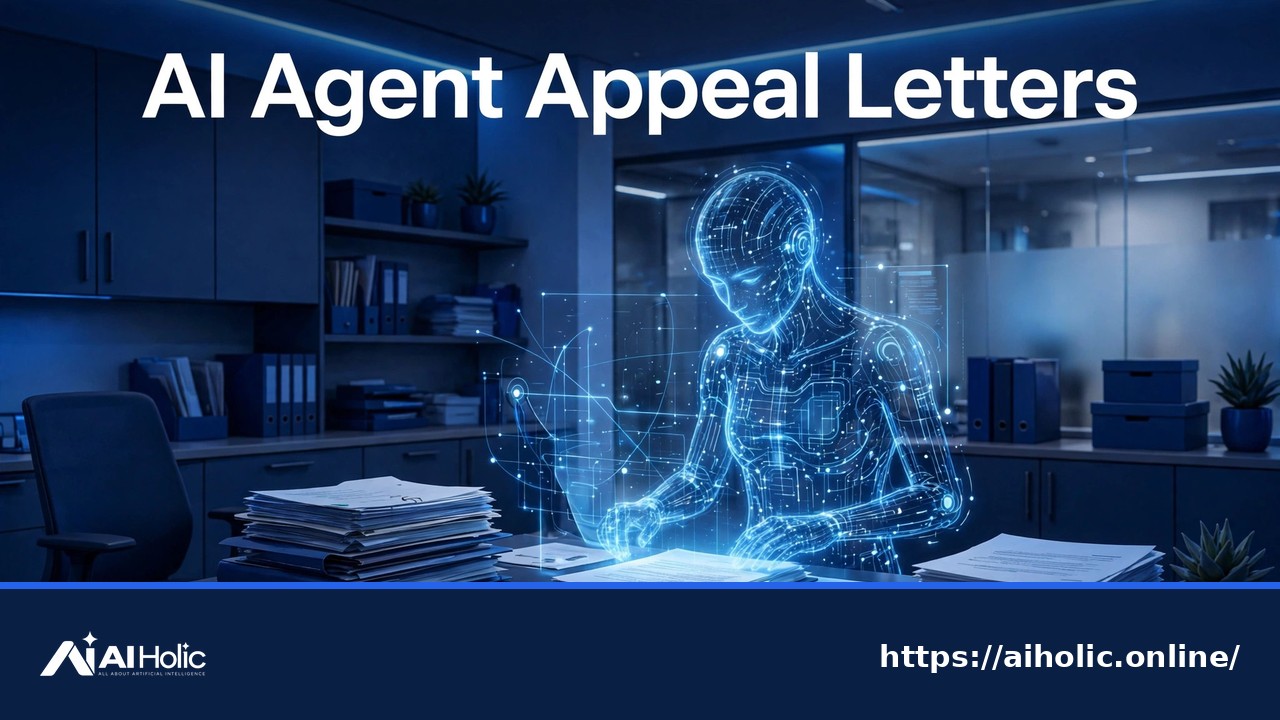
Intermountain’s AI agent works in the revenue cycle, the part of a hospital that bills payers and chases denied claims. When a payer denies a claim, staff must write an appeal letter that proves the care was needed. That letter takes facts from the medical record, and finding those facts by hand is slow work.
The agent reads through the medical record and pulls the right information for the appeal. It combines agentic AI, which can take steps toward a goal, with generative AI, which can draft text, plus analytics and automation that move the work along.

The point is speed with accuracy. Liljenquist put it plainly in the Becker’s interview: “We are talking about cutting 30 minutes off each appeal letter we have to prepare for a payer because of our ability to use AI to scrape through the medical record and get the right information we need.”
The agent is one of about 300 AI programs at Intermountain, and Liljenquist calls it one of dozens and dozens of uses that make staff jobs simpler. That is the scale behind dan liljenquist intermountain health ai agent appeal letters, and it is why the story travels beyond Utah.
How Dan Liljenquist Intermountain Health AI Agent Appeal Letters Work
The workflow has five steps, and a person stays in charge at the end. First, the payer denies a claim and gives a reason. Second, the AI agent opens the medical record and finds the notes, test results, and orders that answer that reason.
Third, the agent pulls those facts into a draft appeal letter. Fourth, a physician or appeals specialist reviews the draft, checks the facts, and fixes anything wrong. Fifth, the team sends the finished letter to the payer.
The HFMA report adds a second layer to this picture. Intermountain also built its own claim scrubber from past data, so a claim gets checked before it leaves the building. That step stops some denials before they happen, which means fewer appeals to write at all.
This is where the time saving lands. A draft that used to take a physician two hours for nearly half of all appeals now takes 30 to 45 minutes, according to Intermountain’s appeals director. The agent does the reading and the first draft, and the person does the judgment.
The Numbers Behind the Story
These figures explain why dan liljenquist intermountain health ai agent appeal letters draw attention well beyond one hospital system. The numbers tell a mixed but honest story, and the time saving is the clearest win.
| Step | Old way | With the AI agent |
|---|---|---|
| Find the facts | Staff read the full record by hand | Agent pulls the facts from the record |
| Draft the letter | Physician writes from scratch | Agent builds a first draft |
| Time per appeal | About 2 hours for nearly half of appeals | 30 to 45 minutes |
| Denial volume | Baseline before the tool | 2.7 times higher, still managed |
| Overturn rate | 62 percent | 57 percent |
| Rollout | Pilot stage | All 33 hospitals, no added staff |
Denials among physicians grew 2.7 times after the Financial Impact Tool arrived, yet the overturn rate fell only from 62 percent to 57 percent. Intermountain’s appeals director called that a good outcome, given the much higher volume.
The wider cost picture is large. US providers spend about 740 billion dollars a year on back-office and admin work, according to a Menlo Ventures figure cited by R1. Liljenquist expects the cost to collect a payment to fall as more of this repetitive work moves to AI.
Why Denials Keep Rising
Denials are rising across US healthcare, and Intermountain is not alone. Payers run their own checks on every claim, and when a box is not ticked, the claim comes straight back. Sathya Vijayakumar, Intermountain’s director of appeals and denials, put it simply: payers are denying more and more.
The reasons change often, which makes the work hard to pin down. One payer may deny a certain diagnosis group this month and a different one next month. Vicki Flores, a director in Intermountain’s Physician Advisor Services, calls it a game of whack-a-mole.

That churn is why Intermountain built a machine learning model that breaks down denial trends by payer. The model shows why one payer denies a certain group and another does not, so the team can fix the root cause instead of fighting each denial alone.
Governance and the Human in the Loop
Intermountain runs dozens of AI projects through a governance process each month. A committee weighs each use case, and the risk level decides how far it escalates. High-risk uses can reach board-level approval.
The appeals work stays human-led by design. The agent gathers facts and drafts text, but a person reviews the letter before it goes to a payer. That check matters, because a wrong fact in an appeal can hurt the case instead of helping it.
The data stays inside Intermountain’s own systems. The health system moved its data to Microsoft Azure, and Liljenquist says the data to train AI already sits inside its firewalls. That gives large systems an edge for now, since new entrants must build that data from scratch.
Utah is testing the same idea at state level. On October 5, Intermountain Health and University of Utah Health signed agreements with the Utah Office of Artificial Intelligence Policy to propose AI pilots under state supervision, with third-party checks on safety and openness.
What Other Health Systems Can Copy
The lessons behind dan liljenquist intermountain health ai agent appeal letters transfer well to smaller systems. The first step is to pick a repetitive, rules-based task where staff time is easy to count. Appeal letters fit that test, and so do coding, scheduling, and pre-bill claim checks.
The second step is to build on tools you already own. Liljenquist says Intermountain builds right off its current platforms, which keeps costs low and speeds up each project. New apps that once took a programmer weeks can now take far less time with vibe coding on the Azure cloud.
The third step is to set up governance before you scale. An interdisciplinary committee, clear metrics, and a risk ladder keep small pilots from turning into untested rollouts. Intermountain’s committee ranks projects so the team works on the highest-value uses first.
Health systems that already use AI in the revenue cycle show the same pattern. Our look at Conifer Health AI revenue cycle work with Google Cloud covers a similar mix of automation and human review, and our report on AI automation in revenue cycle work at Southcoast Health shows how another system puts the same ideas to work.
Patients feel the result too, even when they never see the tool. Our guide to the Southwest General AI patient engagement partnership explains how AI that cuts admin friction can also improve the patient experience. Faster appeals mean fewer surprise bills sitting with patients.
Limits and Open Questions
The appeal-letter agent has real limits, and Liljenquist does not hide them. It helps only with the admin side of a denial, and it cannot change a payer’s rules. If a payer denies a whole class of care, a faster letter does not fix the policy.
The public proof for this approach is still thin. The 30-minute figure and the HFMA numbers come from Intermountain itself, not from an independent test. No outside study has yet checked how often AI-drafted appeals win, or whether the letters read as well as human-written ones.
There is also a risk in moving too fast. An agent that pulls the wrong fact from a record could weaken an appeal, and a team that trusts drafts without reading them could miss errors. Human review is the guardrail, and it only works if staff keep doing it carefully.
Finally, the workforce math cuts both ways. Liljenquist expects about a quarter of US clinical providers to retire within five years, and about 40 percent by 2035. AI can bridge part of that gap, but it cannot replace the clinicians who leave.
Frequently Asked Questions
What are dan liljenquist intermountain health ai agent appeal letters?
They are appeal letters for denied insurance claims at Intermountain Health, drafted with help from an AI agent. The agent reads the medical record, pulls the facts that answer the denial, and builds a first draft. A person reviews the letter before it goes to the payer, and chief strategy officer Dan Liljenquist says the agent cuts about 30 minutes from each letter.
How much time does the AI agent save on each appeal?
About 30 minutes per letter, according to Liljenquist. The HFMA report gives the fuller picture: appeals that took physicians two hours for nearly half of all appeals now take 30 to 45 minutes. The tool runs in all 33 Intermountain hospitals.
Does AI write and send the appeal letters on its own?
No. The agent gathers facts and drafts the letter, but a physician or appeals specialist reviews it first. Intermountain keeps a person in the loop for every appeal, and its governance process checks each AI use case by risk level.
Why are claim denials rising at Intermountain?
Payers are denying more claims, and the reasons shift often. Denials among physicians grew 2.7 times even as Intermountain rolled out its tools. A machine learning model tracks denial trends by payer so the team can fix root causes instead of fighting each denial alone.
Can other hospitals copy this approach?
Yes, if they start with a repetitive, rules-based task and build on tools they already own. They also need a governance process and a human review step for every letter. The Intermountain model works because the agent does the reading while people keep the judgment.
Conclusion
dan liljenquist intermountain health ai agent appeal letters show what focused AI can do in a hospital back office: faster drafts, steadier overturn rates, and staff time back for harder cases. The human review stays, and so should it. Watch for independent results before you judge the model, and copy the workflow, not the hype.