Cascadia AI Hackathon: A Plain Guide to Seattle’s Community AI Build Event
If you don’t want to read the whole guide or have difficulty reading, you can listen to this guide instead.
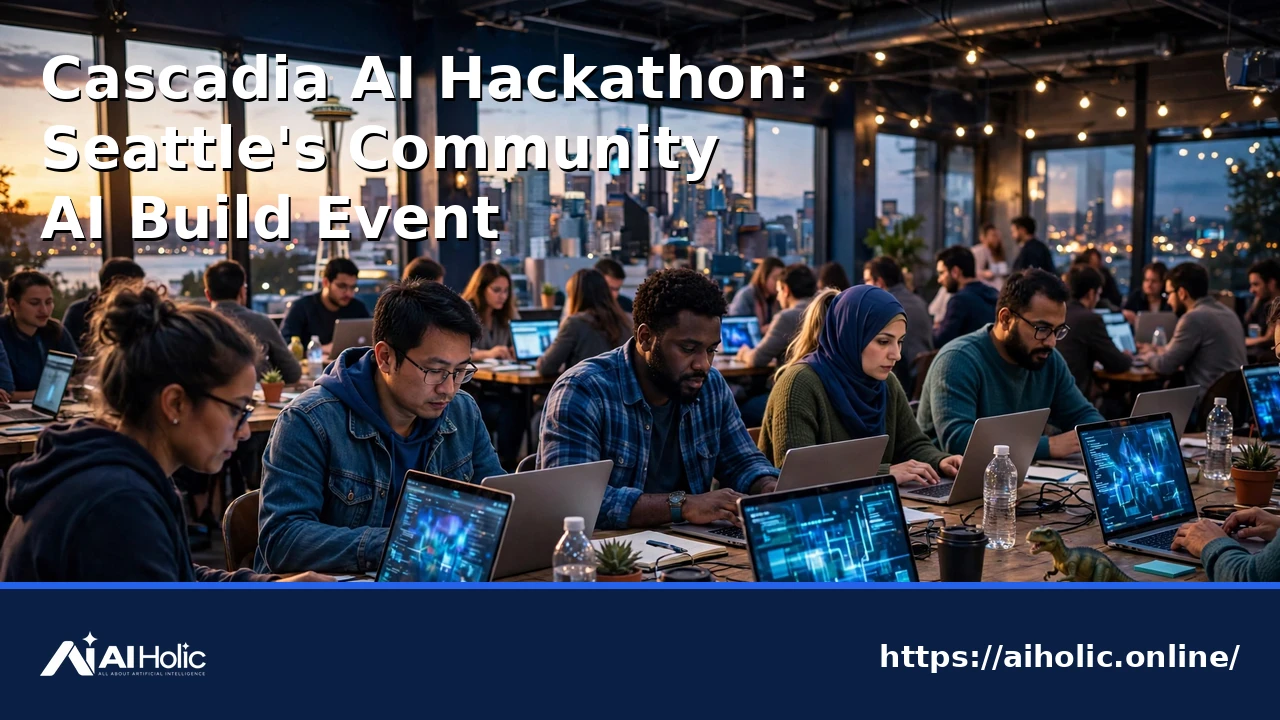
The cascadia ai hackathon is a community build event in Seattle where developers spend a weekend turning AI ideas into working software. The best-known edition ran in September 2025, and its winner built a dinosaur park run by AI agents. If you build with AI tools and want a room full of people doing the same, this event belongs on your list.
At AI Holic, we track AI events so you can tell the real ones from the look-alikes. This guide explains what the event is, who runs it, what the 2025 winner built, and how you can join the next edition.
You will also learn what to build, what to bring, and which similarly named Seattle events are not the same thing.
The Short Answer
The cascadia ai hackathon is a Seattle community hackathon focused on building with AI. Developers form small teams, pick an idea, and build working software over a weekend, then show it to judges and the room.
The event is run by Carter Rabasa and the Cascadia AI organizers. Rabasa leads developer relations at Langflow, a company that builds tools for AI agents, and he has run hackathons in Seattle for years.
The latest edition we can confirm took place in September 2025. No date for a next edition had been announced in the sources we checked as of November 18, 2026, so treat any date you see elsewhere with care until the organizers confirm it.
What the Cascadia AI Hackathon Is
A hackathon is a short event where people build working software in a small team over a set time, then show what they made. The Cascadia event follows that shape, with an AI focus. Every project uses AI in some way, whether as a chatbot, an agent, or a model that reads images or text.
The word Cascadia names the Pacific Northwest, the region around Seattle, Portland, and Vancouver. The event draws on that local tech scene, and most builders come from the Seattle area, though the community welcomes visitors.
It is a builder event, not a trade show. There are no long sales talks on the schedule. You spend your time coding, testing, and talking with other builders, and the demos at the end are the main event.
Event at a Glance
| Detail | What we know |
|---|---|
| What it is | A community AI hackathon in Seattle |
| Organizer | Carter Rabasa and the Cascadia AI organizers |
| Last confirmed edition | September 2025, in Seattle |
| Winner | Jeff Linwood, with Dino Park |
| Prize highlight | Best Use of AG2, for multi-agent work |
| Registration | Past editions were listed on Luma |
| Next edition | No date announced as of November 18, 2026 |
The table above sums up the facts we could confirm from the sources we read. Anything beyond it, such as a venue name or a ticket price for the next edition, is not stated in those sources, so this guide does not guess it.
Who Runs It and Where It Happens
Carter Rabasa runs the event with a small team of Cascadia AI organizers. Rabasa leads developer relations at Langflow, and he also leads CascadiaJS, a Seattle web and AI conference for developers in the Pacific Northwest.
The September 2025 edition took place in Seattle, Washington. The exact venue for that weekend is not named in the sources we read, so this guide does not guess one. Seattle is the home base, and the event is built around its local AI community.
That local base matters. Seattle is home to large tech employers, startup founders, and students from the University of Washington, and a community hackathon is one of the few places where those groups build side by side.
The timing tells you something about the scene. CascadiaJS 2025 ran September 18 to 19, 2025, at Town Hall in Seattle, and the hackathon ran the weekend right after it. The same organizer circle sat behind both, which is why the two events share so many faces.
Seattle keeps producing AI news beyond hackathons too. Our edge AI camera news page tracks the newest on-device AI models as they ship, and it shows the same builder energy in hardware form.
What Happened in September 2025
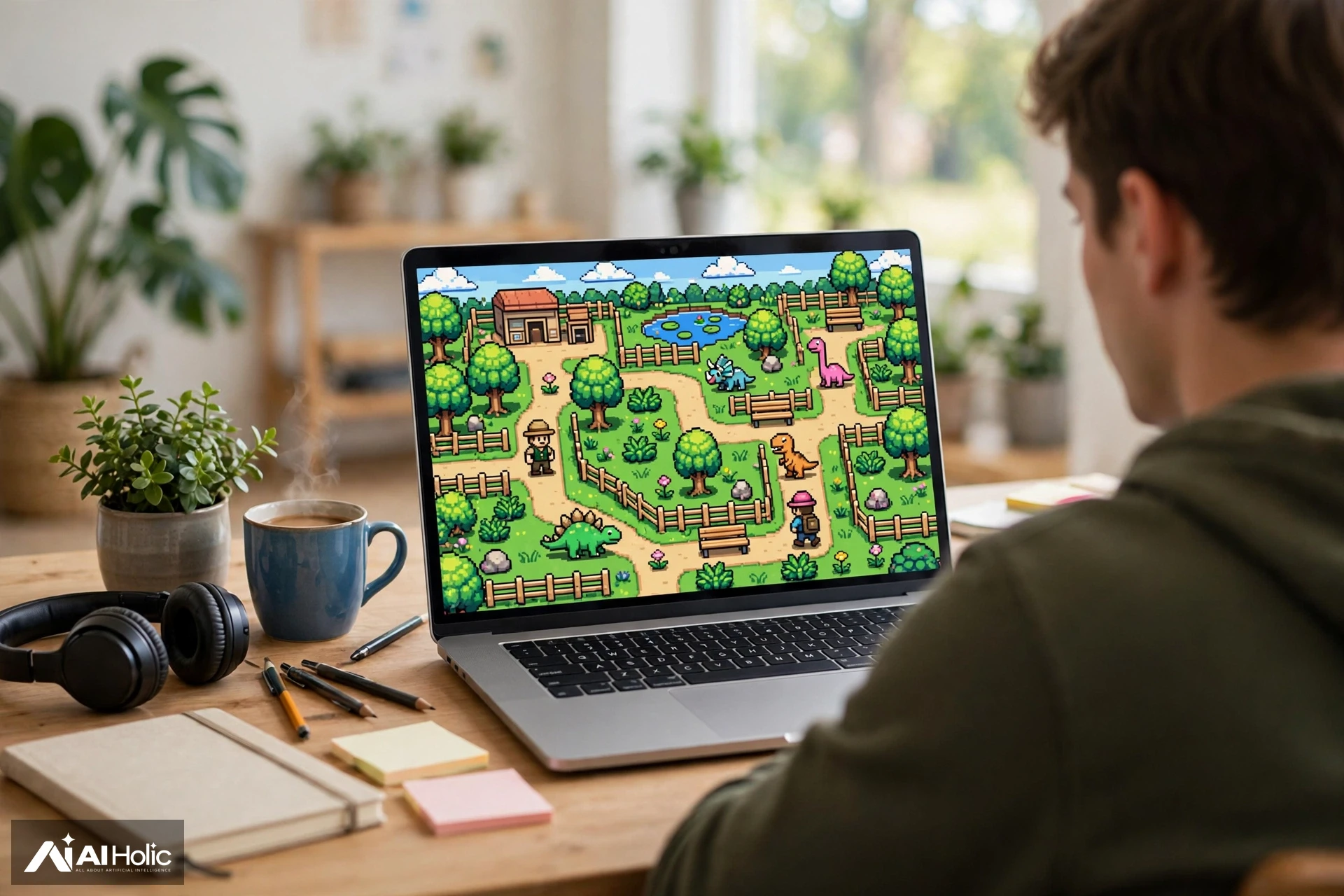
The September 2025 edition ended with demos of multi-agent projects, and one stood out. Jeff Linwood won the prize for Best Use of AG2 with Dino Park, a dinosaur park simulation game.
In Dino Park, the rangers, the guests, and even the dinosaurs are AI agents. Each agent acts on its own, and the agents work together as a swarm to keep the park running, which is why the project caught the judges’ eyes.
AG2 is an open-source framework for building multi-agent systems, and the prize went to the project that used it best. The win shows what the judges value: a clear idea, working code, and agents that do something fun you can watch.
Linwood summed it up after the win.
He said, “I got a chance to work on some fun tech and build out a ridiculous dinosaur-themed simulation game using AI-based NPCs. I ended up winning the prize for best use of the AG2 agentic framework!”
The AG2 report on the win is dated September 23, 2025, and it says the event ran “last weekend.” That points to September 20 to 21, 2025, as the event dates, though the report does not print them outright. This guide gives the inference and its basis so you can judge it yourself.
What to Build: Ideas That Fit
The winning project points to a simple rule: build something you can show. Judges at a weekend hackathon reward working demos, not slide decks, so pick an idea with a clear thing to watch on screen.
Multi-agent projects fit well, and that is the kind of project the cascadia ai hackathon rewards. You can give each agent a role, let them talk to each other, and show the result live, as Dino Park did with rangers, guests, and dinosaurs. A game, a simulation, or a small team of agents that runs a shop or a town all work the same way.
Other strong ideas include tools that save time, such as a meeting notes app, a code helper, or a small agent that plans a trip. Keep the scope tight. One feature that works beats five features that do not.
- A game or simulation with AI characters
- A small team of agents that runs one task together
- A tool that turns messy text into a clear summary
- A voice or chat helper for one real job
Pick the idea you can explain in one minute. If you cannot say what it does in a single short line, the idea is too big for a weekend, and you should cut it down before the event starts.
How to Join the Next Edition
To join the next cascadia ai hackathon, watch for the listing first. Past editions were listed on Luma, so that is the first place to check, along with news from the Seattle AI community and from Carter Rabasa.
When a date appears, expect a simple sign-up: a short form, a ticket or a free RSVP, and a note on what to bring. Most community hackathons welcome solo builders and help them find teams on the day, so you do not need a team before you sign up.
If you want to build with agents, start now. Learn one agent framework, build one small demo, and bring it as your base. You will move faster at the event if your tools already work.
If your project handles personal data, check the rules first. Our AI regulation news page tracks the laws that shape what AI tools must tell users, and it is worth a quick read before you collect any real user data.
How to Prepare: A Simple Plan
A little prep goes a long way at a weekend build event. The table below gives a simple plan you can follow from a month out to demo time.
| When | What to do |
|---|---|
| 4 weeks before | Pick one idea and one agent framework, and build a tiny demo |
| 2 weeks before | Test your demo end to end and fix the setup steps |
| 1 week before | Form or join a team and agree on who builds what |
| Night before | Charge your laptop, pack a charger, and check the venue and start time |
| Event day | Build, test early, and leave time for the demo |
Keep your idea small enough to finish. A working demo with one clear feature will beat a big plan that never runs, and it leaves you time to fix bugs before the judges see it.
Bring the basics: a laptop, a charger, headphones, and water. Bring your code on your own machine, not only in the cloud, so a weak venue network cannot stop you.

Events It Is Often Confused With
Three other Seattle events share words with this one, and mixing them up wastes a trip. Frontier Cascadia is a high school hackathon and pitch contest held at the University of Washington business school, and its September 12, 2026 edition was aimed at high school students only.
The City of Seattle also runs its own Community Innovation Hackathon Series at AI House on the waterfront, where teams build civic tools such as a youth program finder. That series is run by the city, not by the Cascadia AI organizers.
CascadiaJS is a web and AI conference in Seattle, run by the same lead organizer, Carter Rabasa, but it is a two-day conference with talks, not a build weekend. If an event page says high school, city hall, or conference talks, it is not the cascadia ai hackathon.
AI events come in many shapes. The Tony Robbins AI Summit is a free virtual teaching event, and it shows the other end of the scale: three days of lessons with no building at all, while a hackathon is all building.
Frequently Asked Questions
What is the cascadia ai hackathon?
It is a community AI hackathon in Seattle, run by Carter Rabasa and the Cascadia AI organizers. Developers form small teams and build working AI software over a weekend, then show their demos to judges and the room.
When is the next cascadia ai hackathon?
No date has been announced as of November 18, 2026. Past editions were listed on Luma, so that is the first place to check, along with news from the Seattle AI community.
Who can join?
The event is aimed at developers and builders, and solo builders are welcome, with teams often forming on the day. Frontier Cascadia, a similarly named event, is the one limited to high school students, not this event.
What did the 2025 winner build?
Jeff Linwood built Dino Park, a dinosaur park simulation where rangers, guests, and dinosaurs are AI agents working as a swarm. It won the Best Use of AG2 prize for its use of the AG2 multi-agent framework.
How much does it cost to join?
The sources we read do not state a ticket price for the September 2025 edition. Many community hackathons are free or low cost, but no price was published for this one, so check the event page for the next edition before you plan around a price.
Do I need a team before I sign up?
No. Most community hackathons help solo builders find teams at the event. Bring a laptop, a charger, and one idea you can explain in a minute, and you will find people to build with.
Conclusion
The cascadia ai hackathon is a small, friendly corner of Seattle’s AI scene: a weekend, a team, and a working demo. Watch for the next date, pick one idea you can finish, and build it. The 2025 winner started with dinosaurs, and your idea only needs to run.