What Is the Industry of Groundup.ai: Industrial AI for Machine Maintenance
If you don’t want to read the whole guide or have difficulty reading, you can listen to this guide instead.
Groundup.ai is a Singapore company that builds AI tools to keep large machines running, and that plain fact answers what is the industry of groundup.ai in one line. At AI Holic, we checked what the company says it sells against independent news coverage, so the label below rests on the vendor itself. The short answer is industrial AI, built around machine maintenance for factories, ships, and public works.
This guide explains what the company sells, why its customer sectors do not set its industry, and how you can check the label yourself. You will also see where a well known business database gives a different label, and why that label still points to the same kind of firm.
The Short Answer
The primary industry for Groundup.ai is industrial AI, in the machine maintenance segment. It sells a platform called Cognitive Maintenance, built on its own sensors and its GINA engine, that watches machines and tells maintenance teams what to fix before a breakdown. If you need one label, use industrial AI for machine maintenance.
The answer to what is the industry of groundup.ai is not water, food, shipping, or defence, even though its customers work in those fields. A vendor keeps its own industry when it sells software and sensors to a customer in another field, and the customer keeps a different industry of its own. That split is the key test in this guide, and it clears up most of the confusion around this name.
Think of a firm that sells vibration sensors to a water utility, since that firm stays in industrial technology while the utility stays in water. The same logic applies here, because Groundup.ai sells a maintenance platform that other firms use, so its industry follows what it sells.
What Groundup.ai Says It Does
On its About page, Groundup.ai says it delivers AI powered Cognitive Maintenance that gives maintenance teams real time intelligence to keep mission critical equipment running at peak performance with zero downtime. It says its platform uses its own IoT sensors and autonomous AI agents to read machine data, spot hidden faults, predict failures, and set out precise maintenance actions before problems arise. That wording matters for classification, because a firm that sells a working platform is filed differently from a firm that sells advice alone.
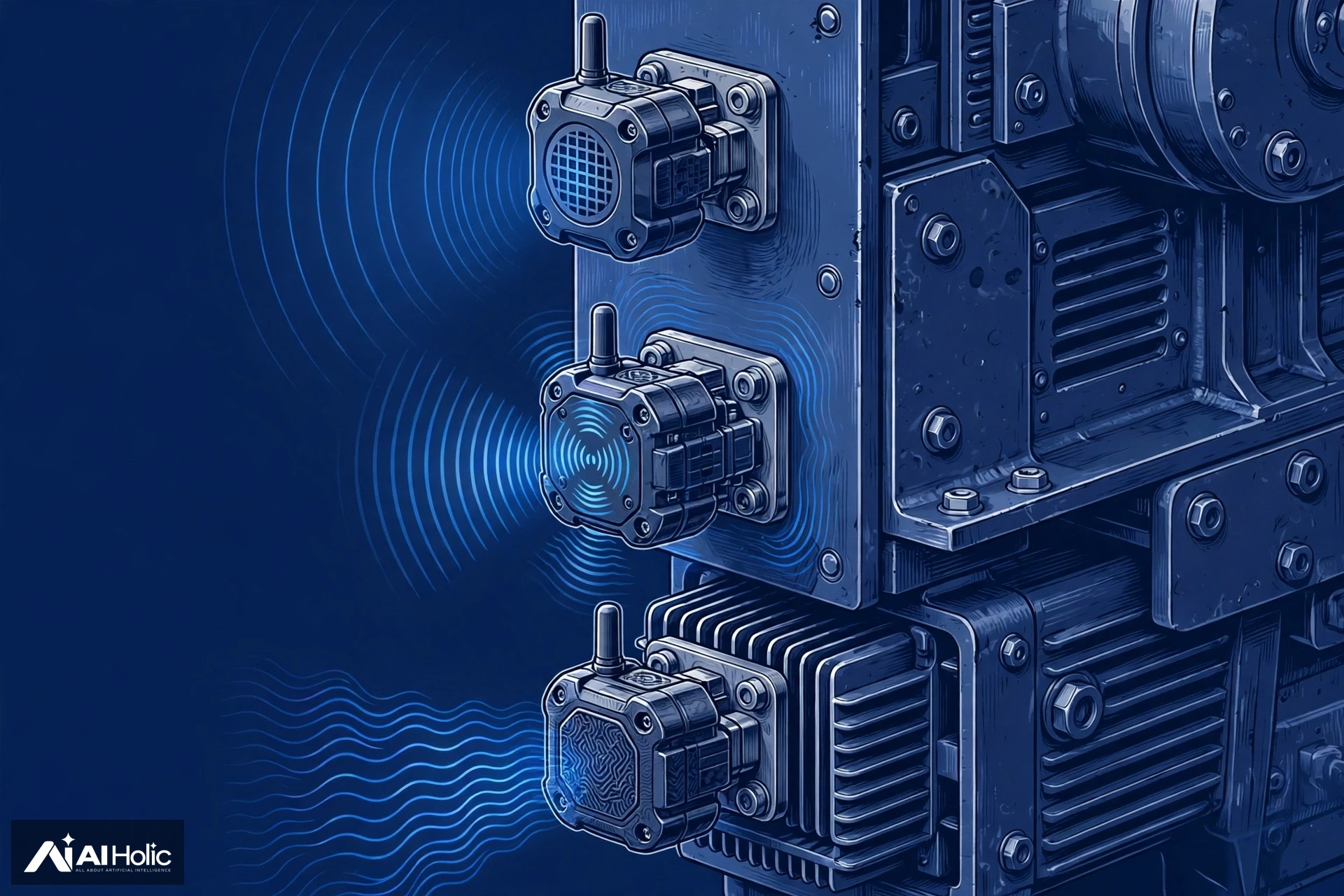
The site describes an end to end machine health offer that goes past simple fault alerts to give cognitive insight and root cause analysis. Its sensors read sound, vibration, and thermal signals, and its models match those signals against a library built from real failure cases. The platform can run on site or in the cloud, and it links to a maintenance management system so work orders follow from the same data.
The stated gains are typical of industrial software, since the site lists fewer surprise breakdowns, longer asset life, and clear returns on the spend. Those gains help a buyer fix machines before they stop, and they help explain what is the industry of groundup.ai in plain terms. The Republic of Singapore Navy uses the platform on its equipment, which shows the tool in a real workflow.
The Industry Classification, With Reasons
The best fit primary label is the industrial AI industry, in the machine maintenance segment, and that label answers what is the industry of groundup.ai at the right level of detail. The predictive maintenance field covers methods that judge the state of equipment in service to estimate when work should be done, and Groundup.ai builds on that field with AI that also names the cause and the fix. Its product fits that frame because it sells sensors and software that watch machines, while a label tied to one customer field would be wrong.
The hardware side still deserves a note, because the firm does not sell software alone. It builds its own rugged IoT sensors, and the Internet of things field covers physical objects fitted with sensors and software that share data with other systems. That mix of sensors plus software is why some databases file the firm under equipment rather than pure software.
The formal code view needs care, because no official filing for this firm was found in this research. Classification systems sort a firm by its main activity, not by every service it can offer. On that rule, a firm that mainly sells a maintenance platform it controls leans toward software and industrial technology, while a firm that mainly earns from custom work for clients leans toward services, so this guide gives codes as a best fit starting point, not as a registered filing.
| Level | Label for Groundup.ai | Why it fits |
|---|---|---|
| Sector | Information technology | It sells AI systems built on sensors and software |
| Industry | Industrial AI for machine maintenance | Cognitive Maintenance platform with the GINA engine and Asset Library |
| Adjacent area | IoT hardware and IT services | Own sensors, on site or cloud install, and support around the platform |
| Not the industry | Water, food, shipping, or defence | Those are customer fields, not the vendor field |
Adjacent sectors still deserve a note in any answer to what is the industry of groundup.ai, because a platform firm rarely sells a platform with no help at all. Install, setup, and support sit close to IT services, and advice on where AI fits can sit close to consulting. Those adjacent lines do not replace the primary label here, because the company site puts its platform first and frames the whole offer around that platform.
It helps to compare this case with other AI company profiles, because the same vendor versus customer trap appears often. Our guide to what is the industry of Ronins.ai shows how a name mix up can place a software firm in the wrong market, and the fix there was also to follow what the firm actually sells. The same method works here, since you follow the product, follow the buyer offer, and keep the customer field out of the vendor label. The same trap shows up with a non-AI name too: our guide to what is the industry of Ais.mx explains how a Mexican heavy industry firm gets filed under the wrong label when readers follow the letters in its name instead of what it sells.
What the Company Sells, In Plain Terms
Three parts make up the offer, and each part is easy to picture. First, rugged sensors attach to a machine and listen to it, reading sound, vibration, and heat as the machine runs.
Second, the GINA engine reads those three signals together, spots a fault pattern, names the likely cause, and sets out the fix. Third, the Asset Library holds machine health data from real failure cases, so the engine does not start from zero on each new machine.
The company says a reliable baseline for each asset takes two to three weeks, because the models arrive pre trained on thousands of machines. That claim comes from the company itself, so treat it as a vendor claim rather than an independent test result. The point for classification stays the same either way, since a short setup points to a ready platform, not to a long custom build.
The platform also fits how industrial buyers already work, since it links to a maintenance management system and can run on site or in the cloud. A buyer that must keep data inside its own plant can run it on site, while a buyer with many sites can run it in the cloud.
The Customer Sectors Are Not Its Industry
Groundup.ai names its deployment fields on its own site as food, beverage, materials manufacturing, marine and offshore, and infrastructure and facilities management. Independent coverage adds manufacturing, maritime, defence, and critical infrastructure, with named customers that include the Republic of Singapore Navy, Coca-Cola bottling operations, and Anglo-Eastern, yet none of them sets the vendor label.
Groundup.ai is not the only small AI firm selling into defence and critical infrastructure. DigiLab.ai, a UK company, takes the same high-stakes market from a different angle: its Uncertainty Engine measures doubt in AI models for energy, water, and defence teams. Our guide to DigiLab.ai platform insights explains what the platform does and how it differs from two other firms that share the name.
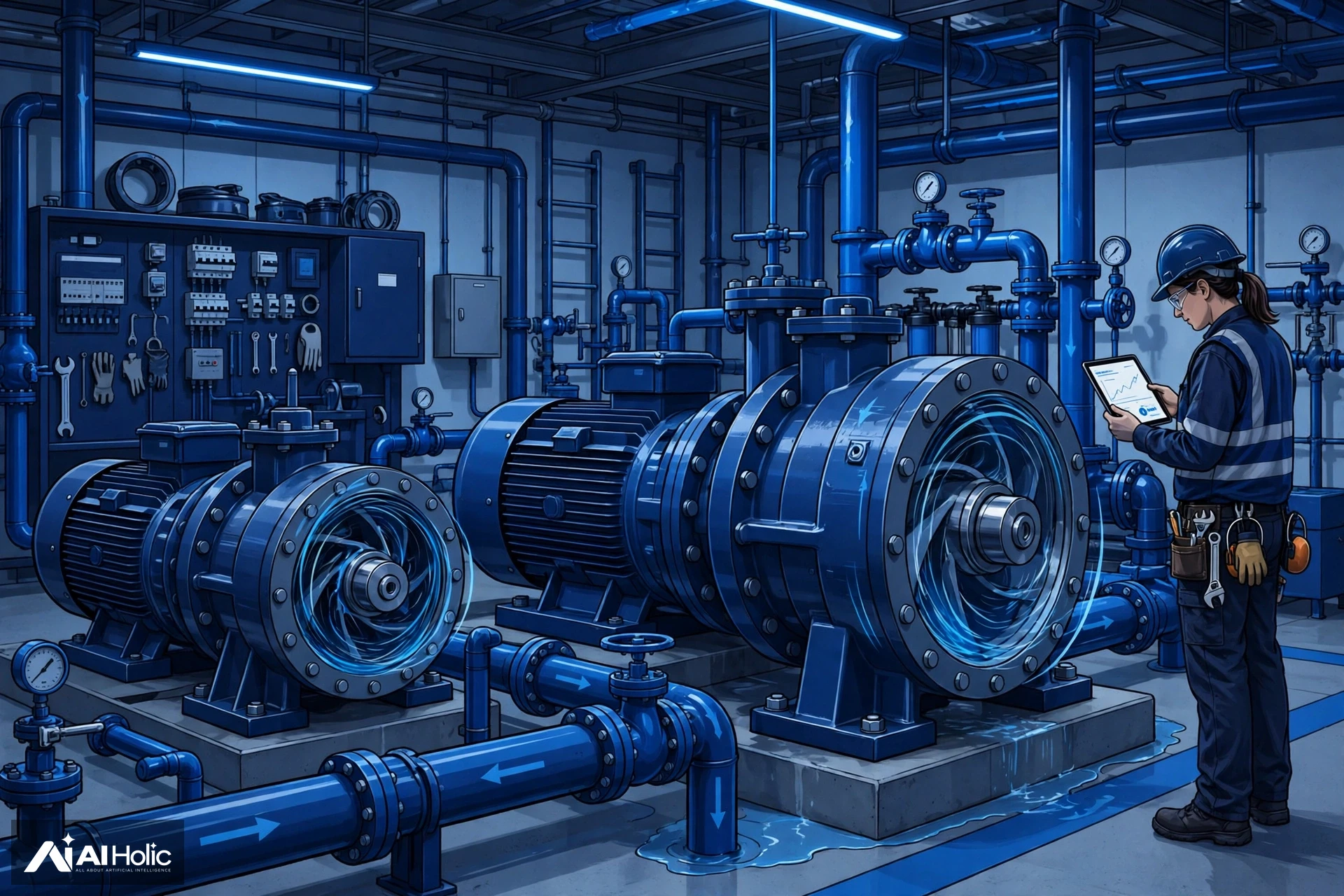
The water case shows the split clearly, since PUB, Singapore’s National Water Agency, gave Groundup.ai a contract worth S$3,995,473 in August 2026 to run a maintenance system across its critical rotating equipment. Groundup.ai was the only provider picked from 15 replies to the open tender, and the system reads sound, vibration, and thermal data from pumps and other rotating equipment. The water label stays with PUB, while the maintenance platform label stays with Groundup.ai.
The same trap appears in other company coverage, and our guide to AI object detection for counting large industrial equipment shows an industrial AI tool that stays in industrial technology even though its users work in yards and depots. Judge the maker by the tool, not by the user field.
What It Is Not, And Why That Matters
Groundup.ai is not a water company, even though its PUB contract deals with water pumps and pipes. The platform watches pumps and names faults, but it does not supply water or run a treatment plant, so filing it under water would group an industrial AI vendor with utilities and tell a reader nothing useful about what the firm builds.
Groundup.ai is not a shipping company, a food company, or a defence firm either, and those labels come only from its customer list. A search for this name can also surface a Singapore community group, a music label, and a South African news site that share the words ground up, but a shared phrase is not the same firm. Each of those names needs its own check, and none of them should set the label in an answer to what is the industry of groundup.ai.
Groundup.ai is also not, on the evidence of its own site, a pure consulting firm. Advice on maintenance can sit around the platform, and the site does talk about helping teams act with confidence, but the headline offer is sensors plus software you can run. A pure consulting label would hide the product, so keep consulting as an adjacent note, not as the headline.
How To Verify An Industry Label Yourself
Start with the firm’s own site, and read the product pages before you read news coverage. Look for verbs that show what the firm sells, such as builds, sells, ships, or runs as a service, and look for the buyer offer in the first lines. If the site leads with a product you can buy and run, a product label is likely, while a site that leads with advice and roadmaps may fit a services label better.
Next, separate the vendor from the customer in every case study you read, and ask one plain question about who sells and who buys. The seller industry follows the seller product, and the buyer industry follows the buyer business, so the answer to what is the industry of groundup.ai stays in industrial AI when you apply that test to the PUB water case. Groundup.ai sells the checking platform, and PUB runs the water service, so the two industries stay separate.
Then check at least two independent sources for the same claim, and note where they disagree. A company site is a good source for what a firm says it sells, but it is not a neutral source for market size or success, while a trade listing or a reputable news report can confirm the basic product type. A filing or a tax record is the strongest source for a formal code, so when sources disagree, say so, and do not pick the most flattering label.
- Read the product offer first. A packaged platform points to industrial AI, while custom client work points to services.
- Split vendor and customer. The customer field never sets the vendor industry on its own.
- Check the hardware clue. Own sensors can pull a database label toward equipment, so note the mix.
- Watch similar names. One phrase can mean a different firm in a different field.
- Note the date. A firm can shift from services to products, so an old label may no longer fit.
Finally, write the label with its limits attached, since a good short profile says the primary industry, names one or two adjacent areas, and notes any missing fact, such as a revenue split or a formal filing. That habit protects readers from a confident but wrong label. A label that hides its limits looks neat, but it fails the reader when the facts change.
Common Confusions Around This Name
The biggest confusion is the database label, because PitchBook lists Groundup.AI under Electronic Equipment and Instruments. That label comes from the sensor hardware side of the firm, and it is a fair database view of a company that builds its own sensors. It does not contradict the plain language label of industrial AI, since the same firm sells the software that turns sensor data into diagnoses, and a reader who needs rivals or buyers should use the industrial AI label.
A second confusion comes from the words ground up themselves, since they form a common English phrase. Search results can pull in a Singapore community group called Ground-Up Initiative, a music label called GroundUP Music, and a South African news site called GroundUp, and each of those is a different organisation. The fix is simple, because you match the full domain groundup.ai, not just the first two words, and check that the page you cite lives on that domain.
A third confusion comes from the broad technology label itself, since technology covers hardware, telecoms, software, and services, so it answers the question only in a loose sense. A reader who needs rivals, buyers, or benchmarks needs a narrower label, and industrial AI for machine maintenance gives that detail. Our guide to AutogenAI competitors and development platforms shows the same point in another market.
Funding stories can add a fourth confusion, because a large round can make a small firm look like a market leader. The firm raised USD 2.2M in seed funding in March 2023 and USD 4.25M in a Series A in April 2025, and it won a contract worth over $10M in March 2026, all stated on its own site. No revenue or valuation figure is stated in this guide, because none was independently verified in this research.
| Event | Date | Source |
|---|---|---|
| Founded in Singapore | 2021 | Company About page |
| Sound AI maintenance launched, Navy client won | 2022 | Company About page |
| Seed round USD 2.2M, led by Wavemaker Partners | March 2023 | Company About page |
| Series A USD 4.25M, led by Tin Men | April 2025 | Company About page and TechNode |
| PUB water contract S$3,995,473, sole awardee of 15 | August 2026 | IoT For All |
| GINA V2 launched at ITAP 2026 | October 2026 | Water and Wastewater Asia |
Frequently Asked Questions
What is the industry of groundup.ai in one line?
In one line, what is the industry of groundup.ai points to industrial AI for machine maintenance, sold as a Cognitive Maintenance platform. The firm describes itself as an industrial machine intelligence company, and its site leads with sensors and software that watch machines. That product first wording is why industrial AI beats consulting as the headline label.
Is Groundup.ai a hardware company?
It builds hardware, but hardware alone is not the full label. Its own sensors read sound, vibration, and thermal signals, so a database can fairly file it under electronic equipment. The software turns those signals into diagnoses and fixes, so the fuller label is industrial AI with its own sensors, not hardware alone.
Does the PUB water contract make it a water company?
No, PUB runs the water service, and Groundup.ai supplies the maintenance platform that watches PUB pumps and rotating equipment. The contract is worth S$3,995,473 and covers maintenance, not water supply. A vendor industry follows what the vendor sells, so the water label stays with the customer.
What does PitchBook say about Groundup.AI?
PitchBook lists its primary industry as Electronic Equipment and Instruments, with its head office in Singapore. That label reflects the sensor hardware side of the firm, and it is a database view rather than the company’s own wording. The plain language answer to what is the industry of groundup.ai stays industrial AI for machine maintenance, since the firm sells a platform that diagnoses machines.
Can the industry label change over time?
Yes, a firm can move from custom services to packaged products, or add a new product line that becomes its main income source. When that shift happens, the primary label should shift with it, and the old label should be kept only as history. Groundup.ai itself moved from sound only sensing in 2022 to three signal sensing in 2024, which shows how fast its own product can change.
Conclusion
Groundup.ai belongs in industrial AI for machine maintenance, sold as a Cognitive Maintenance platform with its own sensors and GINA engine. Use that label, keep customer fields out of it, and check the full domain before you copy any similar name result. That simple habit keeps what is the industry of groundup.ai clear and easy to defend.