AI Governance Wake-Up Call: What Boards Must Fix Before the Next Incident
If you don’t want to read the whole guide or have difficulty reading, you can listen to this guide instead.
An ai governance wake-up call is the moment a company learns that its AI use has grown faster than its controls. Staff may already use AI tools every day, while no one can list which tools are in use, what data they touch, or who approved them. At AI Holic, we see this pattern in plain terms, because the problem is rarely one bad tool, and it is almost always a missing system for approving, watching, and fixing AI use.
This guide explains what that moment looks like, what usually triggers it, and how boards and small teams can respond with a practical plan, not a long policy that no one reads.
The Short Answer
An ai governance wake-up call means your AI controls are behind your AI use, and it calls for a fast, visible fix. The fix is not a ban, and it is not a 100 page policy, since both tend to push AI use into shadow tools. The fix is a short system that covers policy, intake, risk tiers, a register, oversight, and incident readiness, so the next tool is approved before it is used, not after it causes a problem.
Boards should treat that system as a duty, not as a tech project, because AI decisions can affect customers, staff, money, and reputation. Small teams should treat the same system as a starter kit, since a one page policy and a simple register can cut most risk without slowing useful work.
What An AI Governance Wake-Up Call Really Is
A wake-up call is not a single scandal, and it is not a new law on its own. It is the point where leaders see that AI risk is real, current, and unmanaged, and that the gap is their responsibility. That point often comes after a small incident, a customer question, or a regulator letter, and it feels sudden, even when the risk built up for months.
The core gap is usually the same, since tools spread faster than rules, and rules spread faster than checks. A team may have a policy on paper, yet no one checks which tools staff actually use, what data those tools send outside the company, or who can stop a tool when it misbehaves. When those checks are missing, the company is not ready, even if it has good intentions.
A useful test is simple, so ask whether the company can answer five questions in one meeting. What AI tools are in use? What data do they touch? What risk tier is each tool? Who approved it? What happens if it fails? If those answers take days, emails, and guesses, the wake-up call has already arrived, and the plan in this guide is the right next step.
What Usually Triggers It
Triggers fall into five groups, and most companies face more than one at the same time.
- A data leak or a privacy complaint, since a tool may send customer, staff, or business data to a vendor without clear consent or control.
- A wrong, biased, or unsafe output, since a hiring, lending, medical, or safety decision based on a bad output can harm people and trust.
- A regulator, auditor, or customer question, since a buyer may ask for proof of AI controls, and a vague answer can lose a deal or invite a fine.
- A shadow AI discovery, since a security check may find dozens of tools that no one approved, logged, or reviewed.
- A vendor change, since a model update, a price change, or a new data rule can break a workflow that the company depends on.
The trigger matters less than the response, since a fast, honest response can turn a wake-up call into a strength, while a slow, vague response can turn a small incident into a crisis. Boards should ask for facts first, then for a plan, and they should avoid blaming one team, since the gap is usually a system gap, not a single person.
Warning Signs Your Organization Is Unprepared
Five signs show up again and again, and any one of them should prompt a review.
- No inventory, since no one can name every AI tool, vendor, or model in use, and the list changes every week.
- Shadow signups, since staff sign up for free or paid tools with work email, work data, or both, without approval.
- No risk tiers, since a grammar checker and a hiring tool wait in the same approval queue, or in no queue at all.
- No owner for outputs, since no one checks, signs off, or takes responsibility for high impact AI results.
- No incident path, since staff do not know who to call, what to pause, or what to tell customers when AI fails.
Those signs do not mean the company is careless, since most teams adopt AI to solve real work, and they move fast because the tools are useful. The signs mean the system is missing, and the fix is to build that system in a simple, visible way, starting with the highest risk tools.
A Practical Response Plan In Five Parts
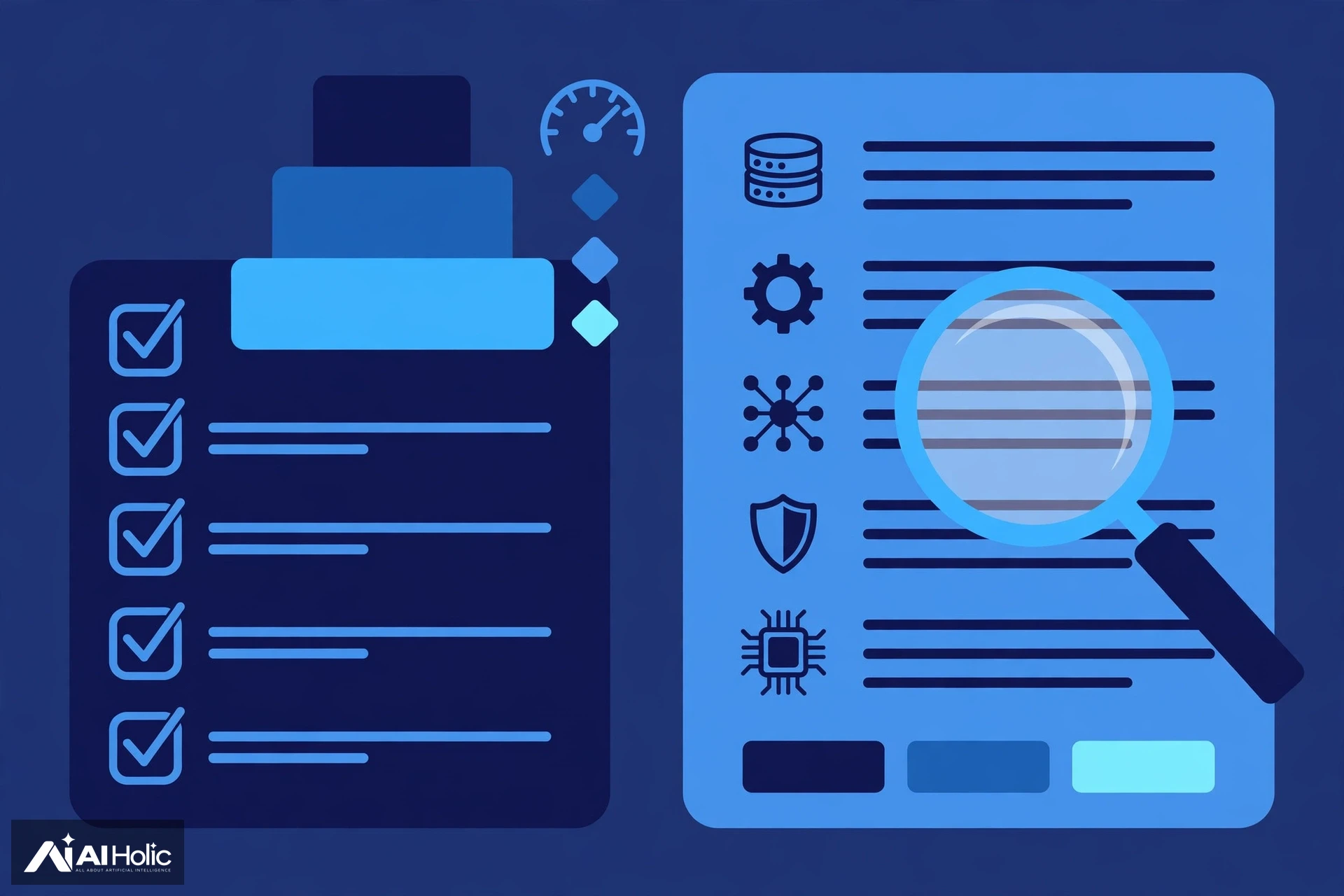
The plan below covers the full system in five parts, and each part can start small, then grow.
| Part | What it does | First step |
| Policy | Sets allowed and banned AI use | One page, plain words |
| Intake | Approves new tools before use | Short form, named owner |
| Risk tiers | Sorts tools by harm | Low, medium, high |
| Register | Lists every tool and owner | Simple sheet, monthly check |
| Oversight and incidents | Watches outputs and fixes failures | Review cadence, incident path |
Part 1: Policy That People Can Follow
A good policy fits on one page, and it answers three questions in plain words. What AI use is allowed? What data must never go into a public tool? Who approves a new tool? If staff cannot answer those questions after reading the policy, the policy is too long, too vague, or both.
Boards should approve the policy, and they should ask for a short summary at each meeting, not a full re-read. Small teams can use the same one page policy, and they can add examples, since examples help staff see the rule in real work, such as a customer email, a hiring note, or a financial file.
Part 2: Intake That Stops Shadow AI
Intake is a short form that staff fill in before they use a new tool, and it asks for the tool name, the vendor, the data type, the purpose, and the risk tier. A named owner reviews the form, and the tool is either approved, approved with limits, or blocked, with a reason. That simple step stops most shadow AI, since staff have a fast, fair path, and they do not need to hide a tool to get work done.
The intake form should take minutes, not weeks, and it should give a clear answer within a set time. If intake is slow, staff will skip it, and the register will stay empty, so speed and clarity matter as much as control.
Part 3: Risk Tiers That Match The Harm
Risk tiers sort tools by harm, not by popularity, and they set the level of review. Low risk tools, such as a grammar checker with no customer data, need a light check, while medium risk tools, such as an internal summary tool, need a named owner and a data check. High risk tools, such as a hiring, lending, or safety tool, need a full review, a human sign off, and a monitoring plan, since a mistake can harm people or break a law.
Tiers also help small teams, since they can approve low risk tools fast, and they can spend their limited time on high risk tools, where the harm is real. A tier system that is too complex will fail, so three tiers are enough for most companies, and the tier should be set at intake, then reviewed when the tool use changes.
Part 4: A Register That Is Actually Used
A register is a simple list of every AI tool, its vendor, its owner, its data type, and its risk tier, and it should be checked monthly, not once a year. A register that is out of date is worse than no register, since it gives a false sense of control, so the owner should confirm the list at a regular meeting, and staff should report new tools through intake, not through a chat message.
Our AI governance quick wins guide shows how a starter register can work in practice, since it covers policy, intake, risk tiering, and a register in a short, usable form. Boards should ask to see the register, and they should ask how many tools are high risk, how many are unapproved, and what changed since the last meeting.
Part 5: Oversight And Incident Readiness
Oversight means checking outputs, not just approving tools, since a tool can drift, a model can change, or a prompt can leak data. High risk outputs need a human check, a log, and a way to correct a mistake, and the check should be recorded, so the company can show who approved what, and when.
Incident readiness means a short path for failure, so staff know who to call, what to pause, and what to tell customers. A simple tabletop test, where the team walks through a data leak or a wrong output, can reveal gaps in minutes, and it should be run at least once a year, or after any major incident.
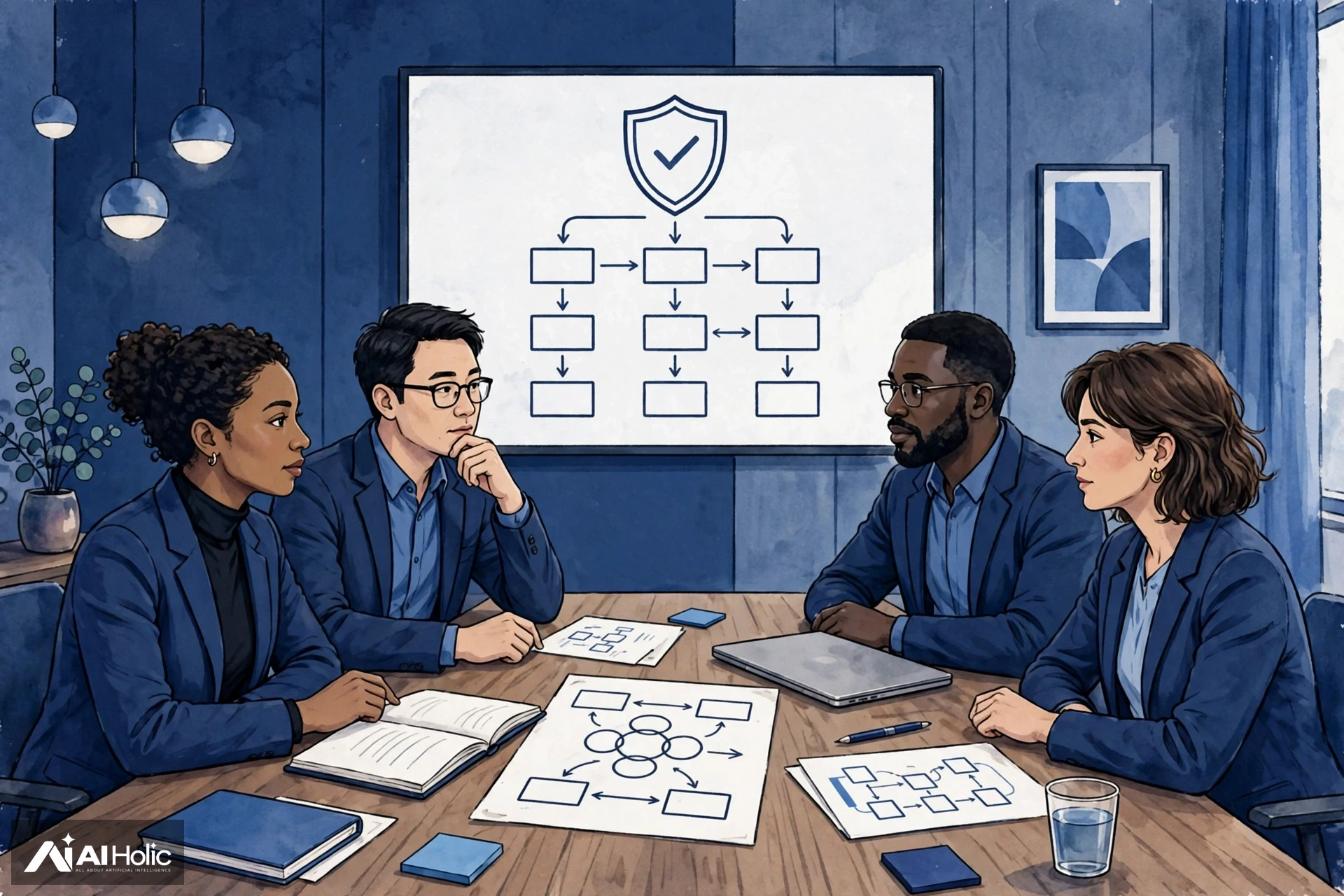
Once you know the warning signs, the next step is to build ai governance strategic visibility so your leaders can see every AI system, its owner, and its effect on the business.
What Boards Should Do Differently
Boards should move from asking whether AI is used to asking how AI is governed, and they should expect a short, regular report, not a one off presentation. That report should list new tools, high risk tools, incidents, and changes, and it should name the owner for each item, so accountability is clear.
Boards should also set a clear risk appetite, since a company that wants to move fast may accept low risk tools with light checks, while it should never accept high risk tools without a human sign off. A written risk appetite helps managers make fast decisions, and it helps the board see whether the company is inside or outside its own limits.
Finally, boards should ask about vendor risk, since a vendor model change, a data breach, or a service outage can affect the company, even when the company did nothing wrong. A vendor list, a data flow note, and a backup plan for key tools can cut that risk, and they should be part of the regular report.
What Small Teams Should Do Differently
Small teams do not need a large committee, and they do not need a long policy, since a small, clear system can work. A one page policy, a short intake form, a three tier risk list, and a simple register can cover most risk, and they can be run by one owner, with a monthly check.
Small teams should start with the highest risk tools, since those tools touch customers, money, hiring, or safety, and they should pause any high risk tool that has no owner, no tier, or no human check. Low risk tools can wait, and they can be approved fast, so useful work does not stop.
Small teams should also use free or low cost tools for the register, since a sheet, a form, and a calendar reminder are enough to start. The goal is a working system, not a perfect system, and a simple system that is used beats a complex system that is ignored.
Frameworks That Support The Plan
Frameworks can help, but they should support the plan, not replace it, since a framework is a guide, not a working system. The NIST AI Risk Management Framework, the ISO 42001 standard, and the EU AI Act all stress the same ideas, such as inventory, risk tiers, human oversight, and incident readiness, and they can help a board show that its plan follows a known model.
Our AI governance unified architecture guide shows how those ideas can fit into one system, since it covers policy, data, models, and oversight in a single view. Boards should use frameworks to check their plan, not to delay it, since a simple plan that is live beats a perfect plan that is still in draft.
For teams that need a deeper fairness check, our AI governance fairness measures guide covers how to test outputs for bias, since fairness is part of oversight, not a separate project. A fairness check should sit inside the risk tier review, so high risk tools get a fairness check before they are approved, not after they cause harm.
Frequently Asked Questions
What does an ai governance wake-up call mean?
It means your AI use has outgrown your controls, so tools, data, and decisions are not tracked, approved, or checked in a clear way. The response is a working system for policy, inventory, tiering, oversight, and incident readiness.
Do small teams need a full governance program?
No, since a one page policy, a short intake form, a three tier risk list, and a simple register can cover most risk for a small team. The system should be simple enough to use every week, and it can grow as the team grows.
Should we ban AI tools after a wake-up call?
Not as a first step, since a ban often pushes AI use into shadow tools, and it does not fix the missing system. A better first step is to pause high risk tools, approve low risk tools fast, and build intake, tiering, and a register, so staff have a clear, fair path.
How often should the register be checked?
At least monthly, since new tools appear fast, and a register that is out of date gives a false sense of control. Boards should see the register at each meeting, and they should ask what changed, what is high risk, and what is still unapproved.
What is the first thing a board should ask for?
A short report that lists every AI tool, its owner, its data type, and its risk tier, plus any incidents and any high risk tools that are still unapproved. That report shows whether the system is working, and it gives the board a clear next step.
Conclusion
An ai governance wake-up call is a chance to build a simple, visible system before the next incident, not a reason to panic or to ban useful tools. Start with a one page policy, a short intake form, three risk tiers, a register, and an incident path, and check that system monthly. Boards that ask for that report, and small teams that run that system, will be ready when the next tool, question, or incident arrives. To see what happens when that system is missing, read our guide to AI governance failures, which walks through seven documented cases and the fixes that stop the next one.
For the product side of this risk, see our guide on ai wrapper product defensibility moat risk.