Droven.io New Gadgets 2026: What the Site Covered and What to Check
If you don’t want to read the whole guide or have difficulty reading, you can listen to this guide instead.
Readers who search for gadget news often land on droven.io, and many of them ask a simple question first. They want to know whether the site makes the gadgets it writes about, and the short answer is no. This guide explains what droven.io new gadgets 2026 coverage actually contains, which gadget topics the site featured during 2026, and how to read that coverage without treating it as a store or a product launch page.
Droven.io is an editorial site that explains artificial intelligence, business technology, and digital change in plain language. Its gadget writing sits inside that wider editorial mix, so a reader gets context and explanation rather than a sales page. You can find more plain guides on AI companies and tools at AI Holic.
Droven.io Is an Editorial Site, Not a Gadget Maker
Droven.io calls itself the Droven Editorial Hub, and its tagline describes AI, tech, and digital transformation insights. The homepage groups its writing into areas such as generative AI, AI tools and applications, AI in business and marketing, digital transformation, and AI business processes.
That structure matters, because it shows where gadget topics sit. Gadgets appear as one topic inside a business and technology publication, not as a separate shop or hardware brand.
This distinction protects readers from a common mistake. Some pages on the wider web describe droven.io as if it sells devices or runs its own product line, but the site itself reads as a free editorial publication with no account needed to read it. Its value lies in explanation.
A reader who wants a buying decision still needs vendor pages, hands-on reviews, and current prices before spending money. The site also covers the business side of technology, which helps explain why gadget topics appear next to startup and workplace writing.
When a company adopts a new device or a new AI feature, the business question is rarely about the device alone. Managers ask what it costs, what it changes in daily work, and what limits it still has.
What Droven.io New Gadgets 2026 Coverage Actually Shows
The 2026 gadget coverage on droven.io is best read as a set of explainers about device categories, not as a catalogue of new product releases. The homepage in early November 2026 led with three posts dated November 2, 2026. One explained humanoid robots, one listed free AI tools, and one compared two AI song makers.
Together, those three posts show the shape of the coverage. One post covers a physical machine category, one covers software that runs on devices people already own, and one covers a creative tool that turns a phone or laptop into a small studio.
That mix is typical of droven.io ai technology writing. The site moves between hardware ideas, software tools, and business use cases, and it often explains a topic for readers who do not have a technical background.
A reader who expects a single list of newly launched gadgets will not find that here.
The search conversation around the keyword also points to wider gadget categories such as smart glasses, smart rings, AI laptops, drones, and smart home systems. Those categories are useful context for 2026 gadget shopping in general, but they should not be credited to droven.io unless a specific droven.io post names them. Verified droven.io posts are named as such in this guide.
Humanoid Robots Lead the 2026 Gadget Coverage
The strongest gadget post in the November 2026 set is the humanoid robot guide dated November 2, 2026, and it anchors droven.io new gadgets 2026 coverage on the hardware side. It describes a humanoid robot as a machine built to resemble the human body in shape, structure, or movement, with a head, torso, arms, and legs in most designs.
It explains that cameras, depth sensors, LiDAR, inertial measurement units, and joint encoders help such a robot sense its surroundings and keep its balance. It also explains that artificial intelligence helps the robot recognize objects, interpret instructions, and choose actions, sometimes through vision-language-action models that link what the robot sees and hears to physical movement.
The guide is careful about limits, and that care is worth noting. It states that humanoid robots still face problems with mobility, safety, battery life, and cost, and that many uses remain in pilot programs rather than wide deployment.
Manufacturing, warehousing, and logistics appear as the clearest early uses, with tasks such as moving containers, loading equipment, and sorting goods. Healthcare, rehabilitation, research, and education appear as areas under study, while most personal and home uses remain experimental.
A humanoid robot is not a home gadget in 2026 in the way a phone or a watch is, even when demo videos look polished. The droven.io guide frames it as industrial and research equipment first, with home use as a later possibility that depends on lower costs, longer battery life, and stronger safety measures.
Anyone who follows droven io future of ai writing will see the same pattern elsewhere on the site. Big claims get paired with limits, and the future section depends on progress in several areas at once rather than one breakthrough. Readers can check the basic definition against humanoid robots on Wikipedia.
Free AI Tools and Music Tools in the Same 2026 Coverage
The second November 2, 2026 post is a list of seven free AI tools and apps, and it forms the software side of droven.io new gadgets 2026 coverage. The seven picks are ChatGPT, Google Gemini, Perplexity AI, Canva, Grammarly, Microsoft Copilot, and Otter.ai.
Each one serves a different job, from writing and research to design, editing, daily productivity, and meeting notes. The post stresses that a free plan should let a reader complete real work, not just preview a tool, and it warns that features and limits can change over time.
This post matters for gadget readers because it answers a question that hardware lists often skip. A new laptop or phone is only as useful as the software on it, and free AI tools are often the first software a new device owner tries.
The post also fits droven.io ai tools 2026 coverage, since it groups tools by task rather than by brand hype. A student, freelancer, or small business owner can read it as a workflow guide, picking one tool for writing, one for research, and one for design instead of paying for a large bundle at once.
The third November 2, 2026 post, listed on the homepage as Suno vs Enkio, compares a well known AI song maker with a tool that also finishes the video. Only the homepage listing was open during research for this guide, so this guide does not repeat claims from inside that post.
The listing alone still tells a reader something useful. Droven.io pairs device and gadget topics with creative tools that turn a normal phone or laptop into a music and video studio, which is a gadget use case even when no new hardware is involved.
Readers who want the full comparison should read that post on droven.io itself rather than relying on a summary here. Other recent homepage posts from October 2026 show the same editorial range.
Titles about AI chatbots for websites, AI scribes, video ads made with AI, and enterprise AI adoption show a site that treats gadgets as part of a larger technology and business story, not as isolated product news.

Wearables, Smart Glasses, and AI Laptops in the Wider 2026 Conversation
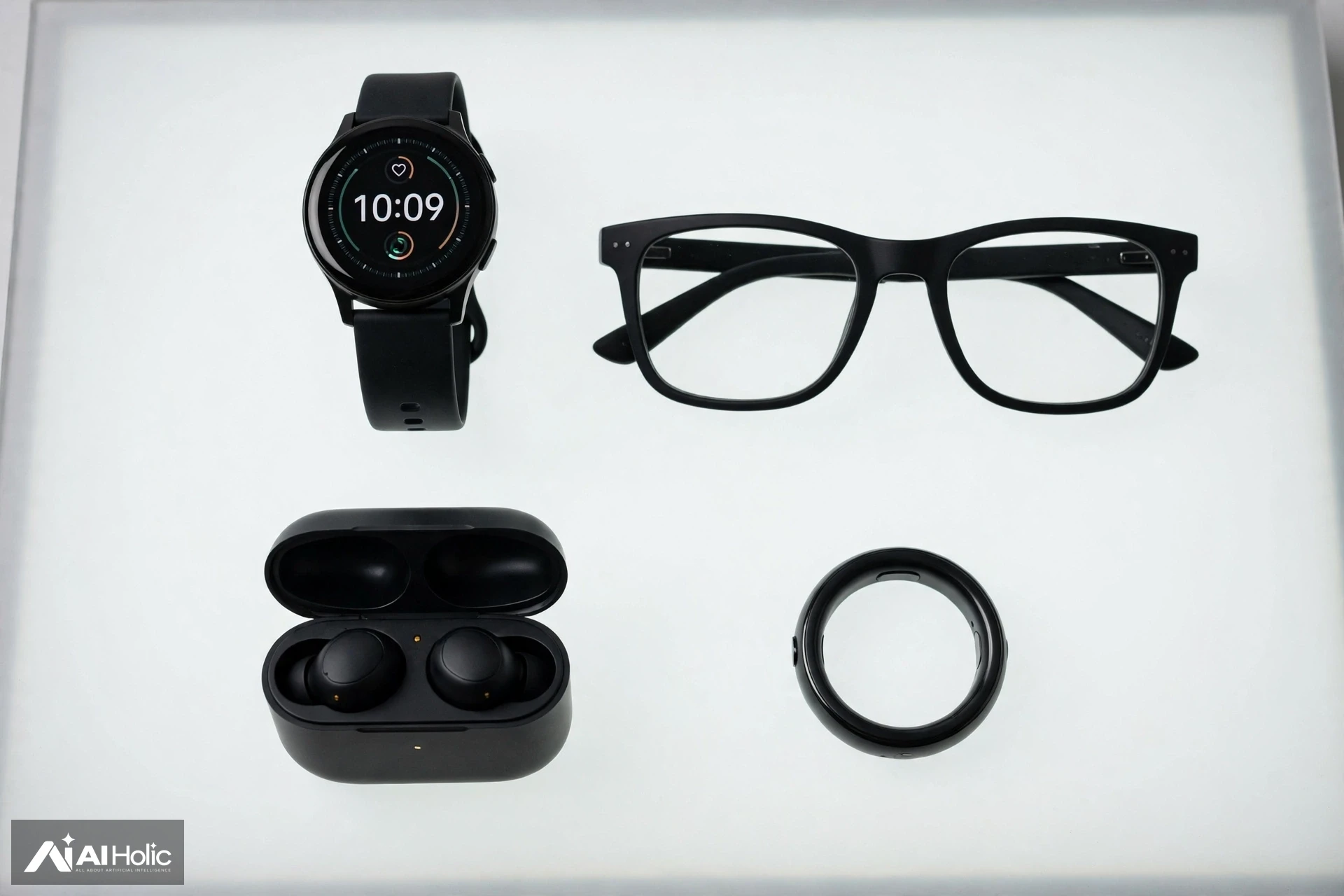
Beyond the verified droven.io posts, the wider conversation around droven.io new gadgets 2026 centers on a small set of familiar categories. Smartwatches track health, show messages, and work with a phone. Readers can check that definition on smartwatches on Wikipedia. Smart glasses add cameras, microphones, and an AI assistant to eyewear, while AI laptops add chips and software that run AI tasks on the device.
These categories matter to droven.io readers even when a specific droven.io post does not name them, because they show what a buyer means when they ask about new gadgets in 2026. A buyer rarely means one product, and usually means a mix of wearables, home devices, and AI software.
A health tracker only helps when its readings are easy to read and easy to question. A smart home system only helps when it works with the devices a household already owns. An AI laptop only helps when its AI features solve a task the owner already does.
Price is another part of this wider conversation, and readers should treat broad price claims with care. Smartwatches often sit in a mid range, smart glasses can cost more, and AI laptops vary widely by chip, memory, and brand.
Those bands are useful for planning a budget, but they are not a promise about any single product. A reader should check the exact model, its support period, and its privacy settings before buying.
The wider conversation also shows why droven.io gadget coverage stays general. It explains categories and trade-offs, and it leaves model-level buying choices to reviews that test the exact device.
Three Verified 2026 Items Compared
The table below compares only the three droven.io items verified during research for this guide. It leaves wider gadget categories outside the table, because those categories were not verified as droven.io posts.
| Verified droven.io item | Type | Main use | Key limit to note |
|---|---|---|---|
| Humanoid robot guide, November 2, 2026 | Physical machine explainer | Understanding robots for industry, research, and future home use | Cost, safety, and battery life still limit wide use |
| Seven free AI tools list, November 2, 2026 | Software for existing devices | Writing, research, design, editing, productivity, and meeting notes | Free plans and features can change over time |
| Suno vs Enkio comparison, November 2, 2026 | Creative tool comparison | Making songs, with one tool also finishing the video | Only the homepage listing was verified for this guide |
The table shows the format a reader can expect: one category explained in plain language, with uses and limits stated together. That format is more useful than a headline alone, because it separates what a tool does from what it still cannot do.
A Practical Checklist Before You Buy Any 2026 Gadget
Gadget coverage should end in a buying decision, and a short checklist helps a reader turn explanation into action.
- Match the gadget to one real task you do every week, not to a feature list
- Check the current price, subscription terms, and support period for the exact model
- Read the privacy settings, especially for cameras, microphones, and health data
- Confirm battery life, charging, and repair options before you rely on the device daily
- Test the free software tier first when the gadget depends on an app or AI tool
That checklist also connects gadget reading to company reading. A gadget from a droven.io ai startup story or a droven.io ai company profile may look exciting, but the same questions apply.
Does the company behind it offer clear support, clear pricing, and a clear privacy policy. When those answers are clear, a gadget is easier to trust.
For more on how AI companies turn research into products, read this report on Skild AI stock and this funding report on Scrunch AI Series A funding. For a closer look at AI applied to a hands-on field, read this guide to Nerovet AI smart dentistry.
Frequently Asked Questions
Does droven.io sell the gadgets it writes about
No, droven.io is an editorial site, and its gadget writing explains devices and device categories rather than selling them. Readers should check vendor pages for prices and availability.
What gadget topic did droven.io cover most clearly in November 2026
Humanoid robots received the clearest gadget treatment in the November 2026 set, with a full guide dated November 2, 2026. The guide covered how humanoid robots sense, balance, and move, and it stated the limits that still apply.
Are free AI tools enough for a new gadget owner
Free tools often cover common tasks such as writing, research, design, and meeting notes, and the droven.io free tools list shows that range. A gadget owner may still need a paid plan for advanced features, higher limits, or business use.
How should readers use gadget coverage from an editorial site
Read it as explanation and context, then verify the exact model, price, and terms before buying. Editorial coverage helps a reader ask better questions, and vendor and review sources help answer the model-level questions.
Watch and Learn More
This short explainer looks at how humanoid robots keep their balance, which helps explain the sensing and movement ideas described above.
Conclusion
In short, droven.io new gadgets 2026 coverage treats gadgets as editorial explainers, not as product launches or store listings. The November 2026 set led with humanoid robots, added free AI tools and a music tool comparison, and left wider categories such as wearables and AI laptops as useful context rather than verified droven.io posts. A reader who keeps that distinction in mind can use the coverage well, and can then check prices, support, and privacy terms before buying any device.