Nerovet AI Smart Dentistry: What the Pet Dental Startup Offers and What to Verify
If you don’t want to read the whole guide or have difficulty reading, you can listen to this guide instead.
Search results for nerovet ai smart dentistry mix two different things, and that mix is the first thing to sort out. Some pages describe a real pet dental AI startup that screens photos and X-rays of dogs and cats. Other pages use the same name for a general idea of AI in human dentistry, with no real company behind the claims, so this guide separates the two, explains how AI dental tools work in plain terms, and lists the checks worth running before you trust any AI dental result.
At AI Holic, we cover AI companies with the same test we use for every startup story. We ask what the product does, what proof exists for its claims, and what a buyer or pet owner should verify first. The rest of this guide follows that order, so you can judge the name on facts rather than on search results alone.
The Short Answer
In short, nerovet ai smart dentistry is best read as a search phrase, not as one settled product. Reports describe a startup called Nerovet that offers AI screening for pet dental problems, while many ranking pages stretch the same name across generic human dentistry claims. If you need a dental decision for yourself or a pet, treat every AI result as a second opinion, and confirm it with a licensed dentist or vet.
That caution is not a verdict on the idea itself. AI image review already helps clinicians in many fields, and dental images are a natural fit for it, since they are visual, standard, and easy to compare across visits. The problem is specific to this name: thin public proof on one side, and copied generic content on the other, leave buyers with little solid ground.
Nerovet AI Smart Dentistry: Two Meanings Behind One Name
The first meaning is a company. Third-party reviews describe Nerovet as an AI pet dental platform that analyzes photos and X-rays for dogs, cats, and other animals, aimed at both clinics and pet owners. Its pitch is simple: a phone photo or a clinic X-ray goes in, and a risk score for possible dental disease comes out.
The second meaning is vaguer, and it causes most of the confusion. A cluster of low-quality pages uses the Nerovet name to write about human dental AI in general, covering X-ray analysis, treatment planning, and clinic workflow. Those pages rarely name a real product, a founder, or a published study, so they read as search content built around the name rather than reporting about a company.
This split matters because the two meanings point to different buyers and different risks. A pet owner weighing a photo screening tool faces questions about photo quality, vet review, and follow-up care. A clinic weighing a human radiograph platform faces questions about regulatory clearance, clinical validation, and data handling.
How AI Dental Tools Generally Work
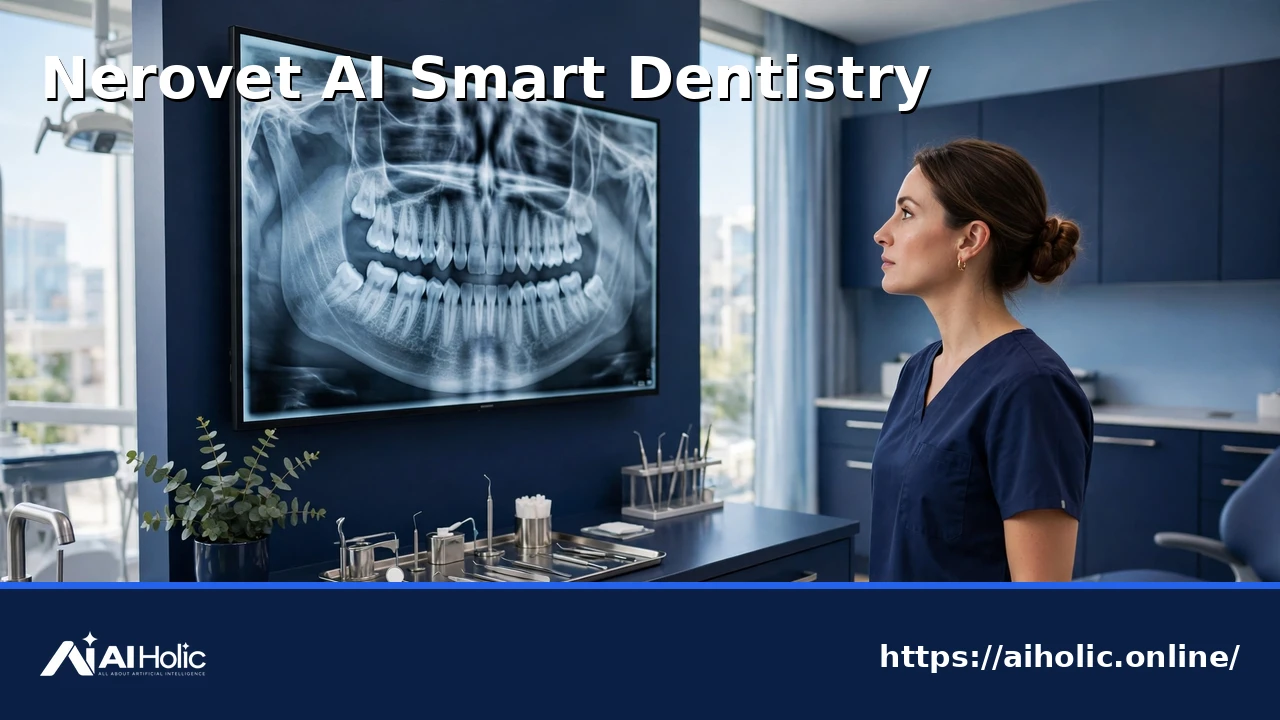
Strip away the brand names, and nerovet ai smart dentistry describes the same workflow other dental AI tools use. A clinic or owner uploads an image, such as a bitewing X-ray, a panoramic film, or a phone photo of teeth. Software trained on labeled dental images then marks areas that look like decay, bone loss, or gum disease, and returns a report for a clinician to review.
The key point is that the software assists a clinician, it does not replace one. Dental AI systems are built to find patterns in images and records, and the dentist or vet still confirms the diagnosis and picks the treatment. A result that skips that human review step should be treated with care, since image quality and angle alone can change what the software sees.
Beyond image review, the same tools often add planning and admin help. They can draft treatment options, track changes across visits, and turn findings into visuals a patient or owner can understand. Those extras are useful, but they matter less than the core question of whether the image analysis itself is accurate.
| What AI dental tools do | What they do not do |
|---|---|
| Review images for signs of decay and bone loss | Diagnose or prescribe treatment on their own |
| Track changes across visits | Replace a clinical exam |
| Turn findings into plain visuals | Guarantee accuracy from a poor photo |
| Flag cases for clinician review | Clear a product for medical use by itself |
Why Pet Dental Care Gets AI Attention
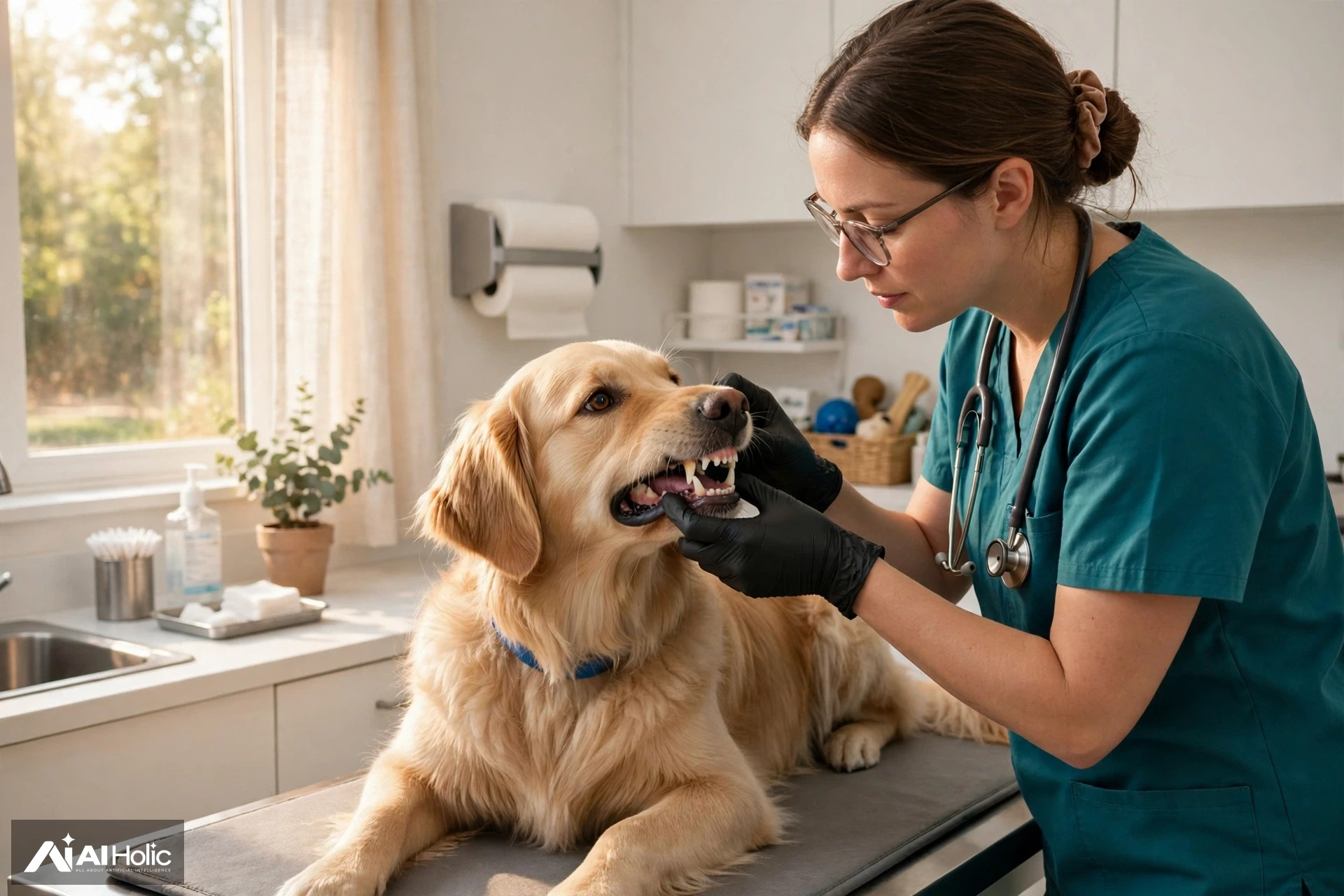
Pet dental care is the niche where nerovet ai smart dentistry makes the most sense as a product idea. Dental problems in dogs and cats often go unnoticed, since pets rarely show clear pain and owners rarely look inside the mouth. A photo-based screening tool promises an early warning that is cheaper and easier than a full clinic visit, which is why the pitch appeals to owners.
The need is real, since veterinary dentistry treats periodontal disease as one of the most common conditions in companion animals. Plaque builds on teeth, gums inflame, and untreated cases can lead to pain, tooth loss, and infection. A screening tool that catches early signs could help, but only if its results lead to real vet care rather than replacing it.
That last point is the limit of the whole category. A phone photo cannot show what sits below the gum line, and most pet dental treatment still needs anesthesia and a full exam. Any tool that suggests otherwise, or that sells a screening result as a diagnosis, is overselling what a photo can do.
What to Check Before You Trust an AI Dental Result
Before you act on any nerovet ai smart dentistry result, run five checks that take only a few minutes. First, confirm who built the tool and whether a real company with named people stands behind it. Second, look for independent validation, such as a published study or a regulatory clearance, rather than marketing claims alone.
Third, check how your images and data are stored, and whether the tool shares them with third parties. Fourth, ask whether a licensed dentist or vet reviews the result before it reaches you. Fifth, read the fine print on what the result actually is, since a risk score is not a diagnosis, and a screening flag is not a treatment plan.
The same habit of checking claims before trusting them applies to every AI startup story, not just dental tools. Our coverage of a recent AI funding round shows how to read a funding announcement with care, and what to ask when the numbers sound big. Apply that same doubt here, and let the evidence carry the weight.
Pet Screening vs Human Dental AI
The clearest way to judge nerovet ai smart dentistry is to place it next to the established human dental AI market. Companies such as Overjet and Pearl sell radiograph analysis to human clinics and insurers, and their products carry regulatory clearances and peer-reviewed clinical work behind them. The pet screening pitch is narrower, cheaper, and aimed at owners, which means it should be judged on different proof.
| Point of comparison | Pet photo screening | Human radiograph AI |
|---|---|---|
| Main user | Pet owners and vet clinics | Dentists, clinics, and insurers |
| Input | Phone photos and vet X-rays | Bitewing, panoramic, and CBCT scans |
| Review step | Vet review still needed | Dentist confirms every finding |
| Proof to ask for | Vet validation and a clear data policy | Regulatory clearance and clinical studies |
| Biggest risk | A photo mistaken for a diagnosis | Over-trust in automated reads |
A startup with thin public proof is not automatically a bad product, but it does mean the burden of proof sits with the seller. The same test applies when a big company makes a big AI claim, which is why our comparison of a major bank’s AI talent spending looks past the headline and into what was actually committed. Small startups deserve the same close read, not a free pass.
For a concrete example of the human side, our guide to itero lumina ai features explains how an AI scanner filters soft tissue, flags early decay, and simulates smiles.
How to Use a Screening Result Well
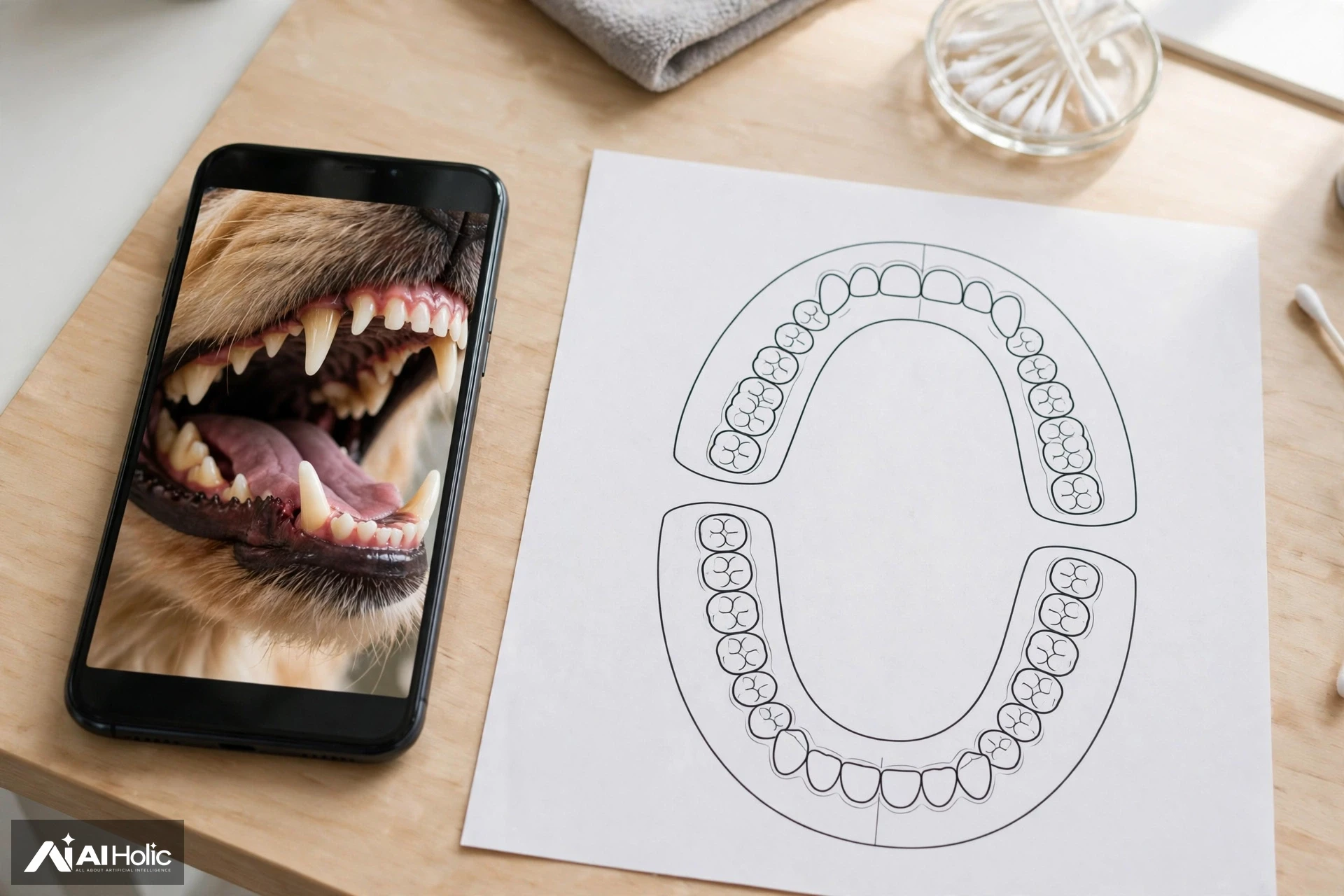
A screening result is most useful when you treat it as a starting point for a real exam. Save the report, note the date and the photo used, and share both with your dentist or vet at the next visit. That record lets the clinician compare the AI flag against what they see in the mouth, and it turns a vague score into a concrete question.
Pay attention to what the result does not say, since the gaps matter as much as the flags. A clean result does not rule out disease below the gum line, and a flagged result does not name a disease or a treatment. If the tool gives no confidence level, no image quality warning, and no next step, treat its output as weaker evidence than a tool that states its limits plainly.
Repeat screening only when it changes a decision, such as whether to book an exam sooner or to watch one tooth over time. Screening every week with the same phone and the same lighting adds little, and it can create worry over normal variation in photos. Use the tool on a schedule your vet or dentist agrees with, and keep the human exam as the decision point.
Questions Clinics and Pet Owners Should Ask
If you run a clinic, ask how the tool fits your existing workflow and who owns the images once they are uploaded. Ask whether results integrate with your records, and what happens when the software flags something your own exam does not confirm. A tool that adds work without adding clarity is not worth the subscription, whatever the marketing says.
If you own a pet, ask your vet about the result before you act on it. Bring the report to your next visit, and ask whether the flagged issue needs an exam, a cleaning, or simple monitoring. A screening result is most useful when it starts a conversation with your vet, not when it ends one.
New AI tools arrive every week, and the market moves fast enough that last year’s leader can look dated today. Our look at one AI company’s stock story shows how quickly sentiment can swing around an AI name, and why a product should be judged on what it does rather than on market noise. That discipline matters here too.
Mistakes to Avoid
The first mistake is treating a screening score as a diagnosis. A score says a photo looks risky, not that disease is present, and only an exam can settle that question. The second mistake is skipping the vet or dentist visit because the software looked reassuring, since a clean photo can still miss disease below the gum line.
The third mistake is trusting pages that repeat the same claims without a named source. If every page about a tool says the same vague things, and none names a founder, a study, or a clearance, the content is likely copied rather than reported. Cross-check one claim against the company’s own site and one independent source before you believe it.
The fourth mistake is paying for a plan before you know what the result covers. Ask whether the price includes vet review, follow-up reports, or data storage, and ask what happens to your images if you cancel. A clear answer to both questions is a good sign, while vague answers suggest the product is still finding its shape.
Frequently Asked Questions
What is Nerovet AI dentistry?
It is a name used for AI tools that screen dental images, most clearly for a pet dental startup that analyzes photos and X-rays of dogs and cats. Many web pages also use the name for general AI dentistry ideas, so always check which meaning a page actually means.
Does Nerovet AI replace a dentist or vet?
No, and no screening tool should. AI results are a second set of eyes, and a licensed dentist or vet must confirm any finding before treatment. A tool that claims to replace that review is making a claim you should not accept.
Can a phone photo diagnose dental disease in a pet?
A photo can flag visible problems such as tartar, red gums, or a broken tooth, but it cannot show disease below the gum line. A full diagnosis still needs an exam, and most pet dental treatment needs anesthesia, so a photo result is a prompt to visit the vet, not a verdict.
Is Nerovet AI approved by regulators?
Public reporting has flagged the absence of published regulatory clearance and independent studies for the pet screening product, unlike established human dental AI products that carry clearances. Check the current status yourself before buying, since clearances and studies can change, and marketing pages rarely update old claims.
Should a clinic add AI screening to its services?
Only after a trial that measures real value, such as time saved, cases caught earlier, or clearer patient conversations. Run the tool alongside normal exams for a fixed period, and compare its flags against clinical findings before you pay for a full rollout. A trial with written results beats a sales demo every time.
How does pet dental AI differ from human dental AI?
The short version is that nerovet ai smart dentistry targets pet owners with photo screening, while human dental AI targets clinics with radiograph analysis. The users, the inputs, and the proof you should ask for are all different, so judge each one on its own evidence rather than on shared hype.
Conclusion
In the end, nerovet ai smart dentistry is worth understanding, not worth blind trust. Separate the pet startup from the generic hype, ask for real proof, and let a licensed dentist or vet confirm any result. Do that, and AI dental screening becomes a useful early warning instead of a risky shortcut.