Whisk AI: What It Was, Why Google Shut It Down, and Where Its Tools Live Now
If you don’t want to read the whole guide or have difficulty reading, you can listen to this guide instead.
Google shut down whisk ai on April 30, 2026. The tool no longer exists as a standalone product, and its best features moved into Google Flow. If you found an old tutorial or a bookmark that no longer works, this guide explains what happened.
At AI Holic, we checked the shutdown announcement and the guides that still describe the tool as live. This page covers what Whisk was, how its three-image system worked, why Google ended it, what happened to saved images and credits, and where you can get the same workflow today.
You will also see a timeline, a side-by-side look at Whisk and Flow, and honest answers to the questions people ask most after a tool they liked goes away.
The Short Answer
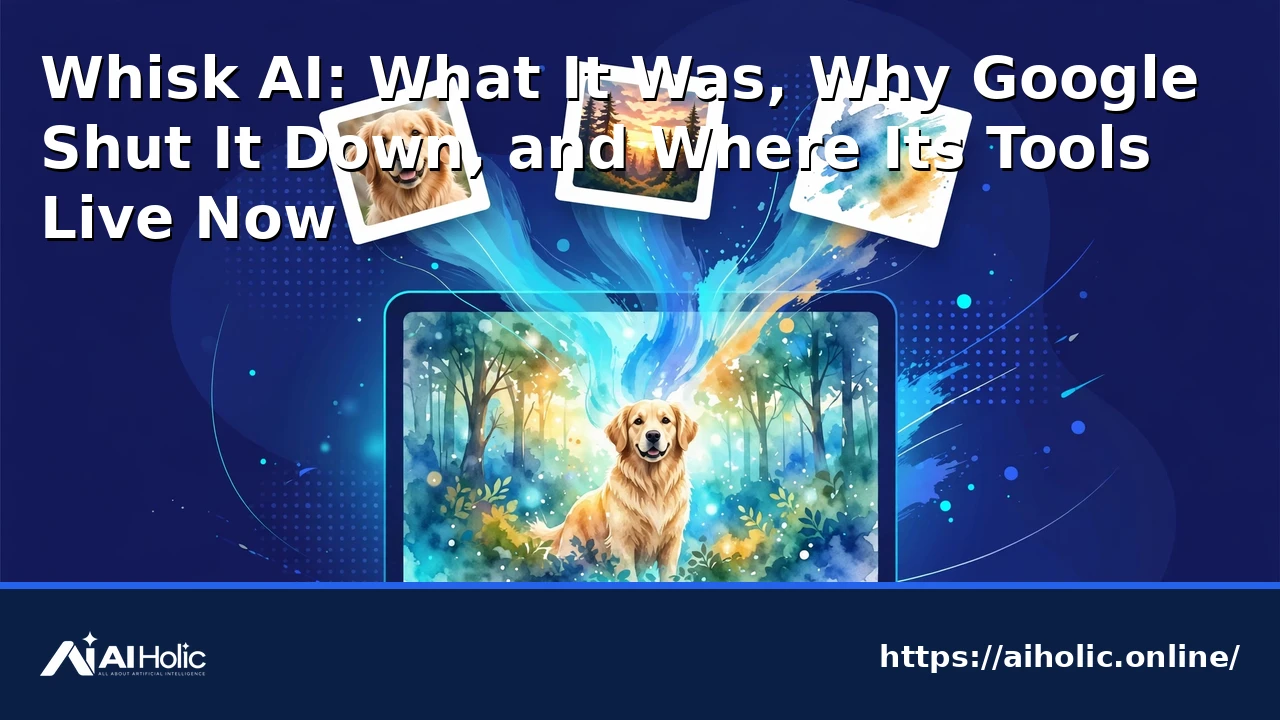
Whisk was a Google Labs experiment that let you make new pictures from other pictures. You gave it three images, one for the subject, one for the scene, and one for the style, and it blended them into something new.
Google ended it on April 30, 2026. The idea did not die with it. The same image-first workflow now lives inside Google Flow, aimed at video as well as still images.
What Whisk AI Was
Whisk AI ran in your browser and cost nothing. You needed a Google account, and at launch you had to be 18 or older and in the United States.
Google built it as an experiment, not a finished product. Google Labs is the part of Google that tests new ideas in public, and Whisk was one of those tests. The goal was to see whether people liked prompting with images instead of words.
It was never meant for exact work. Google pitched it as a fast way to play with ideas, make stickers and pins, and build mood boards. If you needed a face or a product to look exactly right, it was the wrong tool.
Designers used it to test visual directions fast, and small sellers used it to sketch sticker, pin, and plush toy ideas before paying for real artwork. Teachers used it to make custom pictures for lessons, and hobbyists used it to play with styles they could not describe in words.
How Whisk AI Worked
Most image tools ask you to write a sentence. Whisk asked you to show it three pictures. The subject was the main focus, a person, an animal, or an object.
The scene was the setting around it. The style was the look, such as watercolor, sticker art, or a plush toy.
Gemini read your three images and wrote a detailed caption that described them. Imagen 3 then used that caption to draw a new picture. That two-step path is why the result caught the feel of your images rather than copying them pixel by pixel.
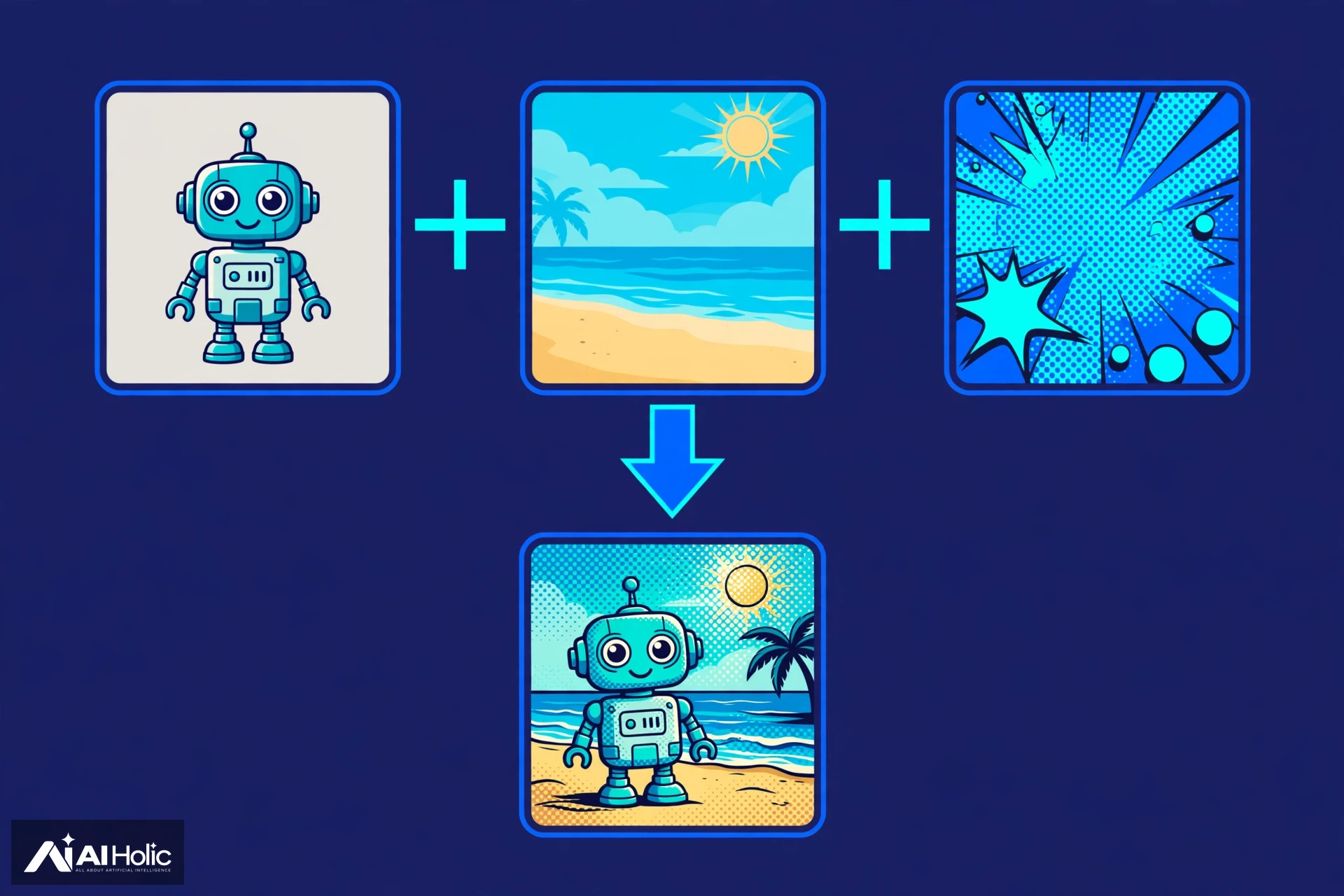
- Pick a subject image with a clear focus and even light.
- Add a scene image that sets the place without crowding it.
- Add a style image that commits to one look.
- Read the caption Gemini wrote back and fix anything it got wrong.
- Generate, then swap one input at a time to see what changes.
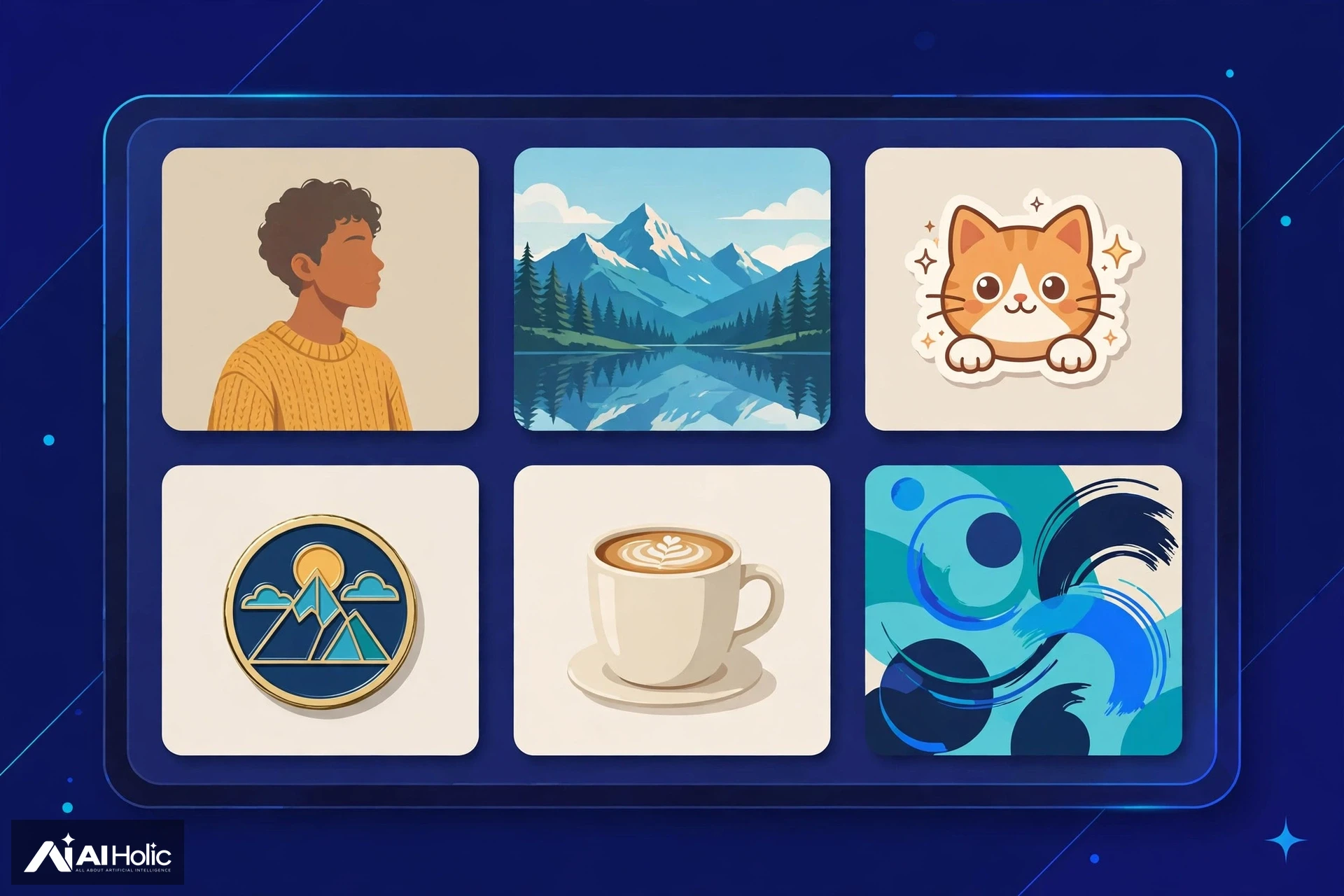
You could also add a short line of text, such as “the robot is running”. A hidden prompt viewer let you read and edit the caption before you generated. Built-in templates for stickers, plush toys, enamel pins, and capsule toys gave you a fast start, and a dice icon filled a slot with a random suggestion.
Whisk Animate turned a still image into a short video clip of about 8 seconds. Sources disagree on the details here. Most guides say it used Veo 2 and that free users got 10 clips a month.
Other accounts describe Animate as a paid add-on, and one source says it used Veo 3 credits. The 8-second length is the one point every source agrees on, so treat the model version and the price as uncertain.
The Whisk Timeline
Whisk lived for about sixteen months. The dates below come from Google’s own announcements and from independent guides that agree on them.
| Date | What happened |
|---|---|
| December 2024 | Google Labs launched Whisk in the US as an experiment for US users 18 and older, free, browser-only, and needing a Google account |
| February 2025 | Expanded to more than 100 countries |
| 2025 | Whisk Animate added, turning still images into short video clips of about 8 seconds |
| February 25, 2026 | Google Labs post said Whisk, ImageFX, and Flow would merge into one platform |
| March 12, 2026 | Workspace Updates blog set the date: Whisk moves to Flow on April 30, 2026 |
| April 30, 2026 | Whisk discontinued, and media left in Whisk libraries was permanently deleted and not recoverable |
| After April 30, 2026 | AI credits carried over to Flow, but Flow is not available in every country, so users in unsupported regions lost access with no migration path |
One source gives December 16, 2024 as the exact launch day. Most sources say only December 2024, so this guide uses the month.
Why Google Shut Whisk AI Down
Google did not call it a failure. Labs exists to test ideas in public, and the test had done its job. Millions of people had shown they liked working with images instead of text, and the tech behind it was ready for a bigger home.
That home was Flow. On February 25, 2026, a Google Labs post said Whisk, ImageFX, and Flow would merge into one platform. On March 12, 2026, the Workspace Updates blog set the date: April 30, 2026.
Some guides still describe Whisk as a live tool you can sign up for. Those pages were written before the shutdown and never updated. If a guide tells you to open the Labs page and start using Whisk today, it is out of date.
What Happened to Your Images and Credits
Whisk AI cost nothing through its whole life, so there was no refund to chase. What mattered was your saved work. Google gave users two ways to keep it before the deadline: an opt-in move to Flow, or a direct download of the files.
Anything still in a Whisk library after April 30, 2026 was permanently deleted. Google said it could not be recovered, and no support request can bring it back. If you missed the deadline, the only way to rebuild a favorite image is from your original reference photos.
The opt-in move was the safer choice while it lasted. It carried your saved work into Flow, while a download gave you the files on your own drive.
Credits were the easy part. Whisk and Flow share the same AI credits platform, so existing credits were already in Flow. No action was needed.
There was one real gap. Flow is not available in every country, and Google said so in the same announcement. Users in unsupported regions lost Whisk on April 30 with no replacement and no migration path.
Where the Tools Live Now: Google Flow
Flow is Google’s unified studio for AI image and video creation. It launched in May 2025, and it absorbed Whisk and ImageFX in the 2026 merge. The old Whisk address now sends you to Flow.
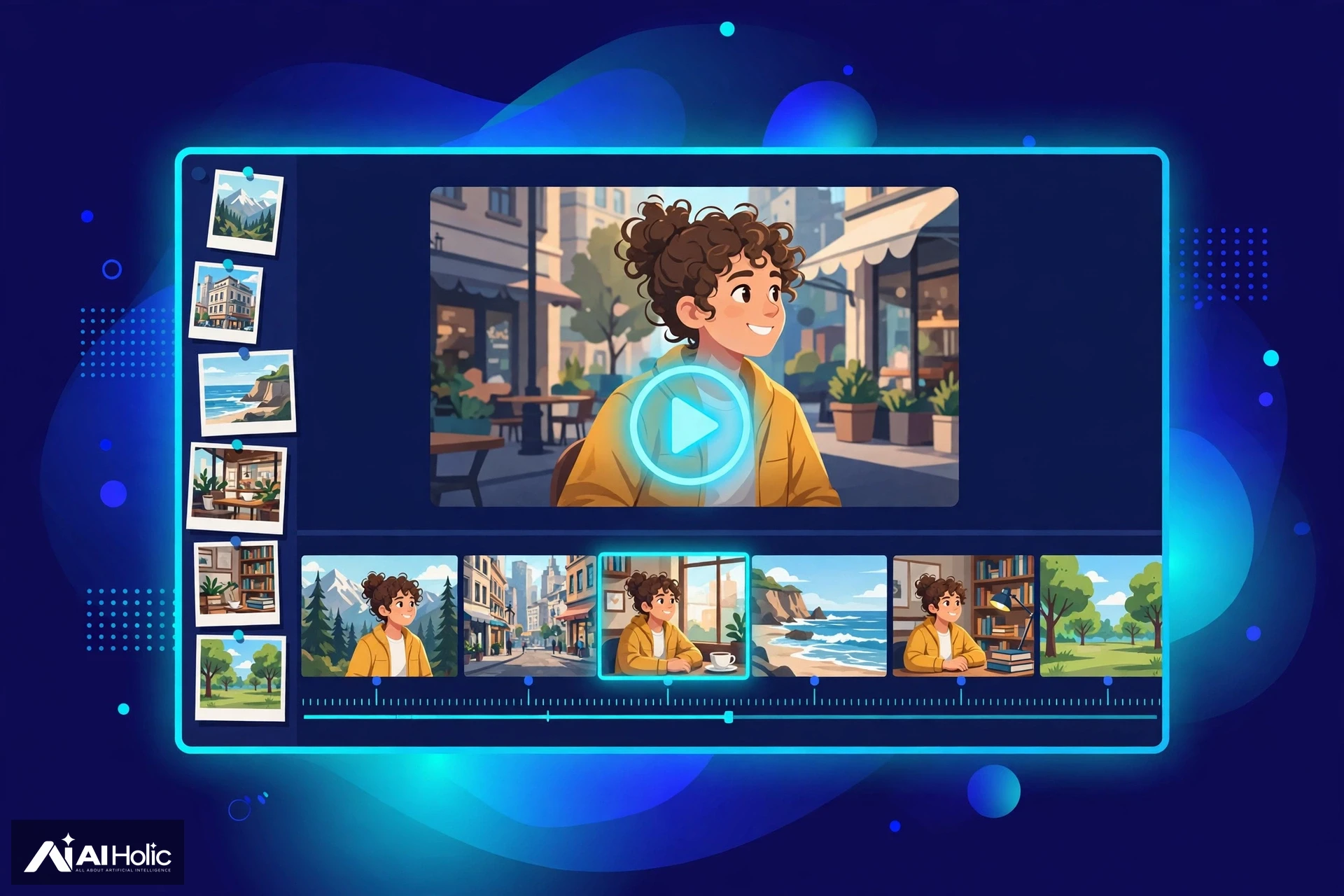
The idea you knew is still there, under a new name. Flow calls reference images “Ingredients”.
You supply images that hold a subject steady across shots, then add a short text prompt to say what should happen. The focus has moved toward video, and image generation now runs on Nano Banana instead of Imagen 3.
| Whisk AI (discontinued) | Flow | |
|---|---|---|
| Status | Shut down April 30, 2026 | Active |
| Core idea | Three image slots: subject, scene, style | Reference images called Ingredients, plus text |
| Output | Still images, plus short Animate clips | Images and video in one studio |
| Image model | Imagen 3 | Nano Banana |
| Cost | Free for its whole life | Free tier with paid plans. Check current prices before you pay |
Flow costs are the one thing this guide will not list as fact. Trackers report different prices, and Google changes the plans. Check the current plans page before you pay for anything.
If you liked the old three-slot layout, expect a small change. Flow leans on text more than Whisk did.
Describe each image’s role in a sentence, keep your lighting and color consistent across references, and swap one reference at a time when you iterate. That judgment is what carries over, not the buttons.
If You Cannot Use Flow
If Flow is not open in your country, you still have options. None of them is an exact copy of Whisk, but each one covers part of the same ground.
- Gemini image features: upload several images and blend them with a text instruction. This is the closest option if you already use Google tools.
- ChatGPT image generation: upload reference photos and describe how to combine or restyle them.
- Midjourney: style and character references for tighter control over a consistent look.
- Adobe Firefly: reference images for matching a style, with clear licensing for work use.
For free image tools more broadly, our roundup of free AI image generators compares the no-cost options. If you want to clean up or restyle a photo you already have, the NoteGPT AI image editor is worth a look. And if you need a clean portrait from a photo, try a free AI headshot generator. If you want a second image tool for comparison, our Krea AI guide covers real-time generation, video models, and the unit pricing that Whisk does not use.
Whisk’s own fans often kept a second tool ready for the jobs it handled badly. Text inside an image was one of them, since letters usually came out garbled, so most people made the picture first and added words later in a plain editor.
Look-Alike Sites and the Recipe App
Because the name still draws searches, several independent sites use it in their names or addresses. Some say they are unofficial.
Others look official but are not. Google’s tools live on Google-owned addresses, so be wary of any site that asks you to pay to get Whisk back.
The original tool is gone, and Flow is reached through your Google account.
The name also belongs to a different product. “Whisk” is a recipe and meal-planning app that Samsung acquired and later rebranded as Samsung Food. If you came here looking for AI help with recipes, that app is a separate product, and it has nothing to do with Google’s image tool.
Frequently Asked Questions
Is Whisk AI still available?
No. Google discontinued it on April 30, 2026. The old address now sends you to Google Flow, and the standalone tool cannot be opened or signed up for.
What happened to my Whisk AI images?
Anything left in a Whisk library after April 30, 2026 was permanently deleted. If you moved your library to Flow or downloaded it before the deadline, you kept it. There is no way to recover files left behind.
Did my credits carry over to Flow?
Yes. Whisk and Flow use the same AI credits platform, so existing credits were already in Flow. No action was needed.
What replaced Whisk?
Google Flow. It holds the same image-first idea under the name Ingredients, and adds video generation, audio, and camera controls. Image generation runs on Nano Banana.
Why did Google shut it down?
The experiment had done its job. Google Labs tests ideas in public, and Whisk proved that people like prompting with images. Google then folded that idea, with ImageFX, into Flow as one studio.
Is Whisk the same as the Whisk recipe app?
No. Google’s Whisk was an image tool from Google Labs.
The recipe app of the same name was acquired by Samsung and rebranded as Samsung Food. They are separate products.
Conclusion
Whisk AI is gone, but the idea behind it is not. Prompting with pictures instead of words now lives inside Google Flow, aimed at video as well as stills.
If Flow is open where you live, start there. If it is not, the free tools above cover the same ground. Keep your reference photos saved, so the next move never costs you your work.